Box Turtle Bulletin
 News and commentary about the anti-gay lobby
“Now you must raise your children up in a world where that union of man and box turtle is on the same legal footing as man and wife…”
News and commentary about the anti-gay lobbyJune 6th, 2012

The polling numbers in support of equality keep rising. And the most recent increases seem to be predominantly among non-white participants. CNN’s latest poll shows:
Do you think marriages between gay and lesbian couples should or should not be recognized by the law as valid, with the same rights as traditional marriages?
54% – recognized as valid
42% – not recognized as valid
3% – “the orderlies are trying to steal my soup!”
Which is very good news and part of the gradual and steady increase in support and decrease in opposition. Even better is that 39% strongly believe in the recognition of marriage while only 34% strongly oppose recognition.
But the part of the poll results that got me all giggly was this:
Non-White
59% – recognized as valid
39% – not recognized as valid
3% – “can’t talk now, Tyler Perry has a new movie out”
With Whites at 52%, for the first time racial minorities are polling as more supportive. And after four years of hurt feelings and back and forth resentment, this is very good news indeed. Especially for Maryland residents, where a third of the voters who will decide marriage this November are non-white.
Much of this shift is in the black community. And I’ve already given credit to the President and the NAACP. But I want to acknowledge one other factor that I think drove opinion and set the black community in the position to respond so positively to the President’s evolution on marriage.
Like most minorities, black people are intensely protective of their own. And this protection doesn’t stop just because one of their own is same-gender loving.
It wasn’t like the black community tossed their gay kids out and disowned them. But I think that the greater black community didn’t see marriage as being an issue of importance to black gays and lesbians.
Images of gay marriage in the media were old white lesbians or young white gay men. The discussions about black gays were about “the downlow” or HIV or cultural homophobia or the church organist. And black gays, themselves, had too much on their plate to fight the marriage battle. There just wasn’t talk, much less emphasis, on the issue that non-black gays had made front and center.
But then DC happened. And picture after picture, story after story, the people going to get married in DC reflected the population and a great many of them were black.
Suddenly it wasn’t “them” that were impacted, it was people who looked and sounded like someone they knew and loved. Someone who shared their culture and their values. Someone black.
So when the President and the NAACP spoke in support, it wasn’t support of some other people who were competing for civil rights, it was about family.
It is true that coming out is the single largest contributor to people changing their minds about equality. I think that in this situation, by black couples coming out as having marriage important to them, it changed minds that the brides and grooms never anticipated.
June 6th, 2012
In response to yesterday’s post about Exodus International’s statement on Reparative Therapy in response to California’s proposed curbs on Sexual Orientation Change Efforts (SOCE) by licensed professionals, Exodus president Alan Chambers sent me a message clarifying a point about the line referring to “an individual’s right to self determination”:
To clarify the “right to self determination”, we took that from the APA not NARTH.
The line about “an individual’s right to self-determine” is from Principle E (under General Principles) of the American Psychological Association’s Code of Ethics. This inclusion in the APA’s code of ethics hearkens back to past history when it was much more common for patients to be coerced or forced into various forms of psychological treatment against their will. The code now calls for special safeguards “to protect the rights and welfare of persons or communities whose vulnerabilities impair autonomous decision making.” The code goes on:
Psychologists are aware of and respect cultural, individual and role differences, including those based on age, gender, gender identity, race, ethnicity, culture, national origin, religion, sexual orientation, disability, language and socioeconomic status and consider these factors when working with members of such groups. Psychologists try to eliminate the effect on their work of biases based on those factors, and they do not knowingly participate in or condone activities of others based upon such prejudices.
NARTH, of course, ignores that portion of the Code of Ethics which places this right in critical context when discussing the rights of self-determination. NARTH uses the statement to justify ex-gay therapy. But as I noted in yesterday’s post, Exodus departs from NARTH by juxtaposing the language from the APA’s code of ethics with the statement, “As an organization, we do not subscribe to therapies that make changing sexual orientation a main focus or goal.” While it’s not clear that Exodus embraces the fullness of Principle E, this does appear to place Exodus on a line that is at least somewhat closer to the APA’s position than NARTH’s.
June 6th, 2012
TODAY’S AGENDA:
Netroots Nation: Providence RI. Lib’ral netizens from all across the country will gather for tomorrow’s kick-off of Netroots Nation, the annual gathering of progressive activists, politicians, and citizen journalists. There will be a pre-conference activity today for LGBT bloggers and activists. As the conference continues through Sunday, participants will hear from NAACP President Benjamin Justice, New York Attorney General Eric Schneiderman, Sen. Sheldon Whitehouse (D-RI), Sen. Sherrod Brown (D-OH), Sen. Jeff Merkley (D-OR), Rep. David Cicilline (D-RI), Paul Krugman, and many others. The confab will continue through the weekend.
Pride Celebrations This Weekend: Albany, NY; Anchorage, AK; Athens, Greece; Birmingham, AL; Blackpool, UK; Bologna, Italy; Boston, MA; Bromsgrove, UK; Brooklyn, NY; Cheyenne, WY; Des Moines, IA; Edmunton, AB; El Paso, TX; Indianapolis, IN; Kalamazoo, MI; Key West, FL; Huntington, NY; Los Angeles, CA; Milwaukee, WI; Olympia, WA; Philadelphia, PA; Pittsburgh, PA; Prince Albert, SA; San Antonio, TX; São Paulo, Brazil; Saskatoon, SA; Split, Croatia; Spokane, WA; Tel Aviv, Israel; and Washington, DC.
Other Events This Weekend: Connecticut Gay and Lesbian Film Festival, Hartford, CT; Razzle Dazzle Dallas, Dallas, TX; Sierra Stampede Gay Rodeo, Rio Linda, CA; and Tel Aviv LGBT International Film Festival, Tel Aviv, Israel.
TODAY’S BIRTHDAYS:
 Thomas Mann: 1875. The German author, social critic and 1929 Nobel Prize winner mined the rich material of his own life and family for many of his novels, including the Buddenbrooks, The Magic Mountain, and A Death in Venice, the latter of which is credited with introducing homosexual themes in the general culture. Mann married in 1905 and had six children, but when his diaries were unsealed in 1975, they revealed his struggles with his sexuality. Mann’s political views began on the conservative end of the spectrum, having supported the Kaiser Wilhelm II. But after the Great War, he became increasingly liberal, and his staunch support of democratic principles led naturally to his strident denunciations of Nazi policies. When Hitler came to power in 1933, the Manns were vacationing in Switzerland and they never returned. Mann settled in Southern California and recorded several anti-Nazi speeches which were broadcast during World War II by the BBC into Germany. After the war, he returned to Switzerland, where he died in 1955 of atherosclerosis.
 Harvey Fierstein: 1952. He’s most famous as the actor and playwright of the Tony Award-winning Torch Song Trilogy, the story of a drag-performer’s search for true love and family. He also wrote the book for La Cage aux Folles which garnered him another Tony Award. He won a Tony for his role as Edna Tumblad in the Broadway version of John Water’s Hairspray. Film credits include his role in the film version of Torch Song Trilogy and Woody Allen’s Bullets over Broadway. He also appeared is Mrs. Doubtfire‘s makeup artist brother. His acting debut was in 1971, when he appeared in Andy Warhol’s only play Pork.
If you know of something that belongs on the agenda, please send it here. Don’t forget to include the basics: who, what, when, where, and URL (if available).
And feel free to consider this your open thread for the day. What’s happening in your world?
June 5th, 2012
For years folks like the American Family Association would get their undies in a bunch if some business would dare be somewhat civil to some gay person somewhere. And then they would protest and send postcards and threaten boycott and raise a stink. And then if the business backed down, they would declare victory and gloat. Even if the business ignored them and happened to be a smidgen less supportive in the next year, they would declare victory and gloat.
And in response, gay groups and gay people would inquire, “why do you hate us now?” And on it would go.
But it seems like Corporate America has come up with a solution, a strategy to break the chain of angry protest. Now when the American Family Association or some other nutcase whines, the CEO grabs a rainbow flag and the whole company dances a conga line singing, “We love the gays!”
Or something like that.
Take JCPenney. Anti-gays had a valid point that JCPenney kinda falls more into heterosexual middle-America red-state shopping than it really does for the gay folk. But they overplayed their cards.
When the American Family Association’s project, One Million Moms (which number far closer to ‘One’ than they do to ‘Million’), decided that America’s Big Ol’ Lesbian Sweetheart, Ellen Degeneres, was not wholesome enough for JCPenney, they insisted JCP fire her because she was “an open homosexual”. Forced to pick between the 2-3 million shoppers who tune in to Ellen every day or the half-dozen or so angry harpies who would actually boycott the store, execs yelled, “Dammit, Betty, get in here with my rainbow tutu and feather boa! It’s time for a Pride Parade around the office.”

Click to enlarge
Well, whether my imagined parade happened or not, JCP decided that they didn’t much want to hear from the Moms – so they blocked email coming from the American Family Association. And when Mothers’ Day came around, JCPenney decided it was time for not only lesbians, but lesbians who are moms (not a million, just two) to be featured. Just in case the OMMs missed the snub.
But the Moms evidently aren’t that bright. They just ratcheted up their noise-making. So finally Penney’s said, “Fine. Find us some gay men. Who are a family. With kids. And get a photographer – it’s almost Fathers’ Day. If they don’t get the point this time then they’re dumber than Rick Santorum!”

Click to enlarge
“But, but, but…” sputtered the Moms in response. “They’re promoting sin!” And then the nation, all 360 million (other than the Moms) collectively rolled their eyes and turned back to the booze commercial with the young ladies in bikinis.
And, of course, JCP isn’t alone. Macy’s is pissing off the Moms and has been doing so for a while. The Moms would picket but they’ve never been to a Macy’s and besides it sounds Jewish (and all them Jews are librullls anyway).
But on some level I can pity the Moms. Now it feels like Corporate America is just piling on. Like some bully that wakes up in an alternate universe and finds that the band geeks and math club now run the social scene, they must be hurt and confused. Especially after this ad.

Clicl to enlarge
One Hundred Percent. Sigh, it’s a sad sad day for the Moms.
June 5th, 2012
In response to questions from the media about California’s proposed SB 1172, which would regulate the practice of sexual orientation change efforts (SOCE) among licensed professionals and bar providing such therapies to minors, Exodus International has issued the following position statement:
Exodus International supports an individual’s right to self-determine as they address their personal struggles related to faith, sexuality and sexual expression. As an organization, we do not subscribe to therapies that make changing sexual orientation a main focus or goal. Our ministry’s objective is to equip the Church to become the primary place where people of faith seek support, refuge and discipleship as they make the decision to live according to Christian principles.
We believe in a “gospel-centric” view, meaning that all people, regardless of individual life struggles, can experience freedom over the power of sin through a daily relationship with Jesus Christ, a commitment to scripture, and by being a part of a vibrant, transparent and relational community of believers found in the local church. Exodus is partnered with more than 260 churches and support-based ministries who serve individuals and families experiencing a conflict between their faith and sexuality. [Emphasis in the original.]
The closest Exodus comes to opposing the bill is in mimicking the National Association for Research and Therapy of Homosexuality’s formulation that Exodus “supports an individual’s right to self-determine” — a coded phrase which places the onus on determining the appropriateness of SOCE on the patient rather than the licensed therapists who should know better. Those who haven’t been closely following NARTH may not see that connection. But even for those of us who do, it appears that Exodus is happy to break that connection in the second sentence, where they distance themselves from “therapies that make changing sexual orientation a main focus or goal.” So if Exodus intends to oppose S.B. 1172, this statement is a strange way to go about it.
[Update: Exodus president Alan Chambers has clarified that the language about “an individual’s right to self-determine” was taken from the APA, not NARTH. For more information on what that means, read this update.]
Exodus appears to have taken the position of not taking a position on S.B. 1172. This, I think, again breaks new ground for a couple of reasons. First, Exodus provides a fairly extensive list online of professional counselors who, if I’m not mistaken, probably do provide therapies in which changing sexual orientation as “a main focus or goal.” I recognize two names immediately: Phillip Sutton, who on this outdated page is listed as NARTH’s “President-elect” (NARTH’s actual president following the tenure of Julie Hamilton is Christopher Rosik), is one that I’m sure hasn’t abandoned the idea of change for change’s sake. Another counselor, Robert Brennan of San Francisco presented a workshop for parents of gay kids at the Exodus Freedom Conference in 2007. Maybe his views have changed since then, but when I attended that workshop, he was very reassuring to those parents about the likelihood for change in sexual orientation.
It seems that this is still a contradiction that Exodus has not fully worked out, but Exodus may not see it that way because it’s not a big contradiction to begin with. Exodus’s listing of licensed therapists is only twenty-four names long, less than ten percent of their “260 churches and support-based ministries. And they’ve already removed books on reparative therapy (a particular form of a broad array of ex-gay therapies), which is NARTH’s mainstay. Those facts, combined with this statement, suggests that Exodus don’t appear to be much interested in preserving their counselors’ career paths in the ex-gay movement. Increasingly, they are looking more and more like a vestigial organ, like an appendix or the tailbone that’s still a part of the body but which no longer serves a purpose. This statement also appears to portend a wider rift between NARTH and Exodus.
But the second significance of this statement, as I see it, is this: as I noted before, California’s S.B. 1172, applies only to licensed therapists, not religious ministries. And so when asked to comment on S.B. 1172, Exodus sidesteps the question altogether and shifts the focus toward churches and ministries, not licensed therapists and counselors — and not even its own licensed therapists and counselors. It wasn’t that long ago when Exodus relished jumping into a large number of public policy issues. But now, when asked to weigh in on public policy which relates to their own home turf, Exodus demurs. In reading between the lines ,they are effectively say that they don’t care one way or another about s.B. 1172 because it doesn’t affect them. They posit that people don’t exercise their “right of self-determination” on matters of religious beliefs and practices in in the offices of licensed therapists and counselors, but in churches and associated ministries. Which, I think, is as it should be. If someone wants to live according to their religious principles, then it is at church (or the synagogue or mosque) where those discussions should take place, not at a doctor’s office. After all, I don’t think very many psychologists provide intensive therapies to help flagging Orthodox Jewish patients keep a kosher home.
June 5th, 2012
 A favorite excess of the homosexual lobby – as iterated by those who think that there is such a thing – is the story of Elaine Huguenin and Elane Photography. Four years after this story broke, this is still one of the few examples in which it seems as though laws drafted to protect gays and lesbians from discrimination actually may infringe on the rights of others to live their lives in accordance with their values.
The facts are simple:
Elaine Huguenin and her husband operate Elane Photography. Elaine is the sole photographer. Vanessa Willock sought out Elane’s services to photograph her commitment ceremony to Misty Collinsworth. Huguenin politely responded to let her know that she does not photograph same-sex weddings. On December 20, 2006, Willock filed a charge of discrimination against Elane Photography.
This story troubles me. On the one hand, I do not wish for gay people to be subjected to discrimination or be denied services. On the other, I do appreciate the uniqueness of photography services, a business that places the individual in environments not of their choosing and with levels of intimacy that are not a part of most occupations.
My sympathies in this case evolved to support Elaine Huguenin. It seems to me to be unfair to demand that an individual (and in the case of small businesses like Elane Photography, it is an individual) be forced to provide services at the time, place, and convenience of anyone for any reason. And whether Elaine’s objection is based in race, religion, orientation, or any other personal quirk however benign or ignoble seems irrelevant. At some point, one’s body is one’s own and to insist that one must work for me or not be allowed to work in their field at all is to gallop down a road that leads to some very ugly places.
But the courts have consistently found that Elane Photography violated the law. And on Thursday, the Court of Appeals upheld the ruling.
I think the law is unfair. It should be amended to allow individuals or tiny businesses some autonomy without boards and courts dictating the minutia of hurt feelings and obnoxious entitlement that each feels over the other. The cause of non-discrimination would not be hindered by limiting such laws to employers with more than a few employees.
But for me, perhaps the saddest part of this is that in our Culture War mentality, leaving other people alone is equated with defeat. And forcing others to do or not do as we wish is winning. Although it impacts them not in the slightest, if an anti-gay activist can get a gay person denied a right or service, they “win”. And though Huguenin’s beliefs harmed no one (even Willock was no more harmed than if Huguenin had another same-sex wedding to film on that day), it is a “win” for our community if she is forced to provide a personal service that she doesn’t want to provide.
I wish we could accommodate each other better. I wish we didn’t hate each other so much.
June 5th, 2012
As many predicted, the full Ninth Circuit Court of Appeals has denied an en banc hearing to the Proponents of Proposition 8, California’s ban on same-sex marriage. They continued the stay on the decision for 90 days so that the Proponents may appeal to the Supreme Court of the United States for a writ of certiorari. Jim’s excellent commentary lays out the timing of the next steps.
The most interesting aspect of today’s filing was not the announcement that en banc was denied. Rather, the most fascinating aspect was in the dissent to the decision and the response to the dissent.
Dissent:
Judges O’Scannlain, Bybee and Bea, the most conservative judges on the circuit bench, wrote a terse objection to the decision not to grant en banc. Both what was included and what was not included are odd selections and will have pundits pontificating. They chose to quote President Obama’s call for the conversation to coninue in a respectful way (they think it disrespectful not to have en banc hearing). Yet the President’s views have no bearing on constitutionality, nor are they directors for the tenor or tone of judicial determination.
What was not included was much discussion of the merits of the appeal or the legal rulings. They declare that the majority’s reading of Romer “would be unrecognizable to the Justices who joined it, to those who dissented from it, and to the judges from sister circuits who have since interpreted it”, but still stop short of actually stating that the ruling was incorrect.
Instead, the three paragraph dissent concludes with an endorsement of “Judge N.R. Smith’s excellent dissenting opinion in this momentous case.” But Judge N.R. Smith’s “excellent dissenting opinion” was anything but forceful. In short it could be summarized as “well, it’s possible that this wasn’t entirely based in animus and I’m just not yet fully convinced that there isn’t some possible legitimate reason for this discrimination, yet.”
Also interesting is that the ruling notes that “Judge N.R. Smith would grant the petition” but Smith did not join OB&B’s dissent.
Response:
In response, Judges Reinhardt and Hawkins – the two justices who upheld Judge Walker’s ruling – reiterated the narrowness of their opinion: “We held only that under the particular circumstances relating to California’s Proposition 8, that measure was invalid.”
What it means:
The Proponents took a bit of a gamble in asking for en banc. Considering the makeup of the Ninth Circuit, they had almost no chance of having the ruling reversed. In fact, depending on the panel, they could have resulted in an even more lopsided loss.
But what they could have achieved was a stronger dissent. They could have approached the SCOTUS with a scathing and biting dismissal of the court’s crazy, liberal, extremist views. And even without en banc, the dissent given by OB&B could have been a scathing and biting dismissal of the court’s crazy, liberal, extremist views.
They did not get that. They got a indignant objection to not giving the case the benefit of a hearing by the en banc panel (“at least discussing this unparalleled decision as an en banc court”) but as for the case, all detailed objections are limited to Judge Smith’s polite, somewhat reluctant and hesitant suggestion that, well, he’s not convinced. A cynical mind might even believe that the judges in objection would prefer that SCOTUS not give their objections too much mind.
Thus, the en banc attempt was a gamble and a loss for the Proponents. But, all in all, probably not a big loss.
The one thing that they might have preferred not come from the process was Reinhardt and Hawkins’ reminder about the narrowness of the decision. “Oh no,” they said, “this isn’t about the constitutionality of gay marriage bans, but only about the constitutionality of whether they can be banned after they have been granted.”
Going into the certiorari process, the case is situated such that the Supremes have every reason not to hear it and few reasons to do so. It only impacts one state, it only speaks to a very peculiar set of circumstances, and it gives the court the opportunity to delay dealing with the unconstitutionality of restricting civil marriage for an unpopular minority for another few years at least.
It is impossible to predict the actions of the Supreme Court, but I think it at least somewhat likely that SCOTUS will opt not to hear this case.
June 5th, 2012
The Ninth Circuit Court of Appeals denied (PDF:94KB/ 7 pages) the request by the Alliance Defense Fund, Proposition 8’s defender of record, for an en banc hearing by an eleven-judge panel of the Ninth Circuit:
A majority of the panel has voted to deny the petition for rehearing en banc. Judge N.R. Smith would grant the petition.
The full court was advised of the petition for rehearing en banc. A judge requested a vote on whether to rehear the matter en banc. The matter failed to receive a majority of the votes of the non-recused active judges in favor of en banc consideration. Fed. R. App. P. 35. The petition for rehearing en banc is DENIED.
The mandate is stayed for ninety days pending the filing of a petition for writ of certiorari in the Supreme Court. If such a petition is filed, the stay shall continue until final disposition by the Supreme Court.
This means that the Alliance Defense Fund has ninety days to petition the Supreme Court to consider the case. The Supreme Court typically goes into recess in June, which means that it may not decide to grant cert until sometime in October. Four Supreme Court justices must vote to hear the case in order for the Court to grant cert.
Three of the dissenting Ninth Circuit judges issued a stinging dissent from the order refusing an en banc hearing. Their dissent will likely be quoted extensively by NOM and the Family “Research” Council:
O’SCANNLAIN, Circuit Judge, joined by BYBEE and BEA, Circuit Judges, dissenting from the order denying rehearing en banc:
A few weeks ago, subsequent to oral argument in this case, the President of the United States ignited a media firestorm by announcing that he supports same-sex marriage as a policy matter. Drawing less attention, however, were his comments that the Constitution left this matter to the States and that “one of the things that [he]’d like to see is–that [the] conversation continue in a respectful way.”
Today our court has silenced any such respectful conversation. Based on a two-judge majority’s gross misapplication of Romer v. Evans, 517 U.S. 620 (1996), we have now declared that animus must have been the only conceivable motivation for a sovereign State to have remained committed to a definition of marriage that has existed for millennia, Perry v. Brown, 671 F.3d 1052, 1082 (9th Cir. 2012). Even worse, we have overruled the will of seven million California Proposition 8 voters based on a reading of Romer that would be unrecognizable to the Justices who joined it, to those who dissented from it, and to the judges from sister circuits who have since interpreted it. We should not have so roundly trumped California’s democratic process without at least discussing this unparalleled decision as an en banc court.
For many of the same reasons discussed in Judge N.R. Smith’s excellent dissenting opinion in this momentous case, I respectfully dissent from the failure to grant the petition for rehearing en banc.
That dissent earned this reply from the two judges of the three judge panel which upheld, albeit on much narrow grounds, a lower court’s ruling that Prop 8 was unconstitutional:
REINHARDT and HAWKINS, Circuit Judges, concurring in the denial of rehearing en banc:
We are puzzled by our dissenting colleagues’ unusual reliance on the President’s views regarding the Constitution, especially as the President did not discuss the narrow issue that we decided in our opinion. We held only that under the particular circumstances relating to California’s Proposition 8, that measure was invalid. In line with the rules governing judicial resolution of constitutional issues, we did not resolve the fundamental question that both sides asked us to: whether the Constitution prohibits the states from banning same-sex marriage. That question may be decided in the near future, but if so, it should be in some other case, at some other time.
June 5th, 2012
In all of the debates over ex-gay therapy, there is one voice that is too often ignored, and that is the voice of the ex-gay survivor. A perfect example of what I’m talking about took place on HLN’s “Dr. Drew” last night. Once again, we have a not very well informed talking head — despite the “Dr.” in the name — providing a platform for someone who has a personal, financial, and political motivation to get her point of view across in offering the false hope that gay people can (and, implicitly, should) change their sexual orientation.
Pinsky’s guest last night was Janet Boynes, who runs an ex-gay ministry that is is closely associated with Marcus Bachman’s clinic. She appeared in her role as a “former lesbian” among the “thousands of former homosexuals” in the country. She also compared those who try to change their sexual orientation but fail (and evidence shows that this is very nearly everyone) to addicts who don’t want to change:
Boynes: There are thousands of people out there that are living the heterosexual live that are no longer homosexuals. And if you don’t want to change, as you well know Dr. Drew, you work with people that are on drugs, alcohol, pornography, and you know and you’ve said this before and I’ve heard you kn many of your shows, if you don’t want to change, you’re not going to change. If your heart is not right to change, you’re going to stay the same way.
Dr. Jallen Rix, an exgay survivor and author of Ex-Gay No Way: Survival and Recovery from Religious Abuse
Rix: As an ex-gay survivor myself, and now as a sexologist, who has studied the damaging effects of reparative therapy and ex-gay ministries, I can tell you that I have been inside these ministries and they are hotbeds of religious abuse. I have really never seen anyone truly change their orientation and what I’ve experienced there has been great shame, great depression, and others feeling hopelessness, having suicidal tendencies, heightened fear, all these things not because they’re trying to work the process but because the process did not work for them.
And as a result, they felt like a failure. You know, you’re talking about pain. I think we need to look very carefully at the messages that reparative therapies and ex-gay ministries put out. Because essentially they are saying that homosexuality does not really belong in their society. If there was a real perfect society, everyone would be heterosexual. How close is that message to what the bully says, when he says, “Well, you know what? I don’t think you, as a homosexual, belong around, and I’m going to do something about it.” …
Rix got about a minute and a half before Pinsky cut in to say that he was running out of time. But Pinsky still had another minute to give Boynes the last word. And I can think of no better example of Boynes’s lack of self-awareness than the fact that she took up much of that time complaining that Dr. Drew and others never put ex-gay advocates on their programs so they could further promote their “change is possible” mantra — after having had an entire segment to herself on Dr. Drew’s program. Meanwhile, ex-gay survivors remain invisible.
June 5th, 2012
TODAY’S AGENDA:
Ninth Circuit Court of Appeals Expected to Rule on Prop 8 En Banc Hearing: Sacramento, CA. Last February, a three judge panel of the Ninth Circuit Court of Appeals upheld a lower court’s ruling that Prop 8 was unconstitutional. The Alliance Defense Fund, which is defending Prop 8 in federal court, then petitioned for an en banc re-hearing of the appeal before an eleven judge panel of the Ninth Circuit. Yesterday, the Ninth Circuit announced that it will issue an order today in the case of the federal lawsuit against Prop 8. That order is expected to address the request for an en banc hearing. In case you missed it, Timothy Kincaid yesterday laid out the various paths the appeals process might take here, depending on today’s order.

TODAY IN HISTORY:
Pneumocystis Pneumonia — Los Angeles: 1981. The Centers for Disease Control and Prevention published this notice in the June 5, 1981 edition of the Morbidity and Mortality Weekly Report. This report would be the first clinical description of a new disease which we would later know as AIDS.
Pneumocystis Pneumonia — Los Angeles
In the period October 1980-May 1981, 5 young men, all active homosexuals, were treated for biopsy-confirmed Pneumocystis carinii pneumonia at 3 different hospitals in Los Angeles, California. Two of the patients died. All 5 patients had laboratory-confirmed previous or current cytomegalovirus (CMV) infection and candidal mucosal infection. Case reports of these patients follow.Patient 1: A previously healthy 33-year-old man developed P. carinii pneumonia and oral mucosal candidiasis in March 1981 after a 2-month history of fever associated with elevated liver enzymes, leukopenia, and CMV viruria. The serum complement-fixation CMV titer in October 1980 was 256; in may 1981 it was 32.* The patient’s condition deteriorated despite courses of treatment with trimethoprim-sulfamethoxazole (TMP/SMX), pentamidine, and acyclovir. He died May 3, and postmortem examination showed residual P. carinii and CMV pneumonia, but no evidence of neoplasia.
Patient 2: A previously healthy 30-year-old man developed p. carinii pneumonia in April 1981 after a 5-month history of fever each day and of elevated liver-function tests, CMV viruria, and documented seroconversion to CMV, i.e., an acute-phase titer of 16 and a convalescent-phase titer of 28* in anticomplement immunofluorescence tests. Other features of his illness included leukopenia and mucosal candidiasis. His pneumonia responded to a course of intravenous TMP/.SMX, but, as of the latest reports, he continues to have a fever each day.
Patient 3: A 30-year-old man was well until January 1981 when he developed esophageal and oral candidiasis that responded to Amphotericin B treatment. He was hospitalized in February 1981 for P. carinii pneumonia that responded to TMP/SMX. His esophageal candidiasis recurred after the pneumonia was diagnosed, and he was again given Amphotericin B. The CMV complement-fixation titer in March 1981 was 8. Material from an esophageal biopsy was positive for CMV.
Patient 4: A 29-year-old man developed P. carinii pneumonia in February 1981. He had had Hodgkins disease 3 years earlier, but had been successfully treated with radiation therapy alone. He did not improve after being given intravenous TMP/SMX and corticosteroids and died in March. Postmortem examination showed no evidence of Hodgkins disease, but P. carinii and CMV were found in lung tissue.
Patient 5: A previously healthy 36-year-old man with clinically diagnosed CMV infection in September 1980 was seen in April 1981 because of a 4-month history of fever, dyspnea, and cough. On admission he was found to have P. carinii pneumonia, oral candidiasis, and CMV retinitis. A complement-fixation CMV titer in April 1981 was 128. The patient has been treated with 2 short courses of TMP/SMX that have been limited because of a sulfa-induced neutropenia. He is being treated for candidiasis with topical nystatin.
The diagnosis of Pneumocystis pneumonia was confirmed for all 5 patients antemortem by closed or open lung biopsy. The patients did not know each other and had no known common contacts or knowledge of sexual partners who had had similar illnesses. Two of the 5 reported having frequent homosexual contacts with various partners. All 5 reported using inhalant drugs, and 1 reported parenteral drug abuse. Three patients had profoundly depressed in vitro proliferative responses to mitogens and antigens. Lymphocyte studies were not performed on the other 2 patients.
Reported by MS Gottlieb, MD, HM Schanker, MD, PT Fan, MD, A Saxon, MD, JD Weisman, DO, Div of Clinical Immunology-Allergy; Dept of Medicine, UCLA School of Medicine; I Pozalski, MD, Cedars-Mt. Siani Hospital, Los Angeles; Field services Div, Epidemiology Program Office, CDC.
Editorial Note: Pneumocystis pneumonia in the United States is almost exclusively limited to severely immunosuppressed patients (1). The occurrence of pneumocystosis in these 5 previously healthy individuals without a clinically apparent underlying immunodeficiency is unusual. The fact that these patients were all homosexuals suggests an association between some aspect of a homosexual lifestyle or disease acquired through sexual contact and Pneumocystis pneumonia in this population. All 5 patients described in this report had laboratory-confirmed CMV disease or virus shedding within 5 months of the diagnosis of Pneumocystis pneumonia. CMV infection has been shown to induce transient abnormalities of in vitro cellular-immune function in otherwise healthy human hosts (2,3). Although all 3 patients tested had abnormal cellular-immune function, no definitive conclusion regarding the role of CMV infection in these 5 cases can be reached because of the lack of published data on cellular-immune function in healthy homosexual males with and without CMV antibody. In 1 report, 7 (3.6%) of 194 patients with pneumocystosis also had CMV infection’ 40 (21%) of the same group had at least 1 other major concurrent infection (1). A high prevalence of CMV infections among homosexual males was recently reported: 179 (94%) had CMV viruria; rates for 101 controls of similar age who were reported to be exclusively heterosexual were 54% for seropositivity and zero fro viruria (4). In another study of 64 males, 4 (6.3%) had positive tests for CMV in semen, but none had CMV recovered from urine. Two of the 4 reported recent homosexual contacts. These findings suggest not only that virus shedding may be more readily detected in seminal fluid than urine, but also that seminal fluid may be an important vehicle of CMV transmission (5).
All the above observations suggest the possibility of a cellular-immune dysfunction related to a common exposure that predisposes individuals to opportunistic infections such as pneumocystosis and candidiasis. Although the role of CMV infection in the pathogenesis of pneumocystosis remains unknown, the possibility of P. carinii infection must be carefully considered in a differential diagnosis for previously healthy homosexual males with dyspnea and pneumonia.
References
- Walzer PD, Perl DP, Krogstad DJ, Rawson G, Schultz MG. Pneumocystis carinii pneumonia in the United States. Epidemiologic, diagnostic, and clinical features. Ann Intern Med 1974;80:83-93.
- Rinaldo CR, Jr, Black PH, Hirsh MS. Interaction of cytomegalovirus with leukocytes from patients with mononucleosis due to cytomegalovirus. J Infect Dis 1977;136:667-78.
- Rinaldo CR, Jr, Carney WP, Richter BS, Black PH, Hirsh MS. Mechanisms of immunosuppression in cytomegaloviral mononucleosis. J Infect Dis 1980;141:488-95.
- Drew WL, Mintz L, Miner RC, Sands M, Ketterer B. Prevalence of cytomegalovirus infection in homosexual men. J Infect Dis 1981;143:188-92.
- Lang DJ, Kummer JF. Cytomegalovirus in semen: observations in selected populations,. J Infect Dis 1975; 132:472-3.

TODAY’S BIRTHDAY:
John Maynard Keynes: 1883. The British economist has had a profound infliuence on macroeconomics and government economic policy. His ideas now carry his name — Keynesian economics — which argued that free markets didn’t always provide the best solutions in times of economic turmoil. He argued that counter cyclic spending during economic downturns could provide vital demand to keep businesses and industries afloat in times of lower employment levels. He advocated economic stimulus policies to keep people employed. “With men and plants unemployed, it is ridiculous to say that we cannot afford these new developments,” he wrote in 1928 of the need for spending on public works. “It is precisely with these plants and these men that we shall afford them.”
Keynes’s economic policies weren’t the only thing revolutionary about him in the early twentieth century. He was also very open about his sexuality. Between 1901 and 1915, he kept separate diaries where he tabulated his sexual encounters in a kind of a code that has baffled historians and biographers since then. He was a member of the Bloomsbury Group, a group of English writers, artists and philosophers which included E.M. Forster, Virginia Woolf, Lytton Stratchy, and the artist Duncan Grant, who is said to have been Keynes’s great love. Stratchy was also a lover, but he must have gotten a glimpse at Keynes’s diary: Stratchy was put off by Keynes’s manner of “treat[ing] his love affairs statistically.” Keynes eventually married the Russian ballerina Lydia Lopokova, and their marriage did appear to have been a satisfactory one.

Suze Orman: 1951. She started out with a B.A. in social work and worked as a waitress in Berkeley before becoming a financial adviser for Merril Lynch. In 1983, she moved to Prudential Bacahe Securities, where she became vice-president of investments. Four years later, she quit to found her own financial firm. Not bad for someone without an MBA. In 2007, she began appearing on television. After she gave away a million copies of her e-book, Women and Money,following an appearance on Oprah, she began hosting her own financial advice program, The Suze Orman Show, which airs on weekends on CNBC. She is also a regular columnist for Oprah Winfrey’s O magazine, and she continues to appear occasionally on Oprah’s OWN network. In 2010, Orman married Kathy Travis, a co-producer of on The Suze Orman Show.

Chad Allen: 1974. I didn’t know this: one of Chad’s early major roles was on the television series St. Elsewhere, where he played the autistic son of Dr. Westphall from 1983, to 1988. He also appeared in Our House and Dr. Quinn, Medicine Woman. In 1996, he was outed by the supermarket tabloid The Globe, which published photos of him kissing another man in a hot tub. When he was cast to play the role of real-life Christian missionary Nate Saint in the 2006 docudrama End of the Spear, conservative Christians were outraged over an openly gay man in the role. The real Steve Saint, Nate’s son, however put aside his own reservations. After seeing the film, he felt that God was pleased with Chad playing his father. End of the Spear became one of the few independently released Christian movies to draw more than a million dollars in its first three weekends of release. In 2007, he took on Christian themes again when he starred in Save Me, about a drug-addicted man who entered an ex-gay program. In 2011, he co-produced and appeared in Hollywood to Dolllywood, a documentary about twin brothers who travel across country in an RV named “Joline” to meet their idol, Dolly Parton.
If you know of something that belongs on the agenda, please send it here. Don’t forget to include the basics: who, what, when, where, and URL (if available).
And feel free to consider this your open thread for the day. What’s happening in your world?
June 4th, 2012
Tomorrow the Ninth Circuit Court of Appeals will announce whether it will give an en banc hearing to Perry v. Brown (nee Schwarzenegger), the challenge to California’s Proposition 8.
In February, the Ninth Circuit Court of Appeals released its decision upholding Judge Vaughn Walker’s ruling that Proposition 8 is in violation of the US Constitution. The Appeal was heard and decided by three judges selected at random.
The losing side in an appeal can request that the case be heard “en banc”, or by all of the judges. In the Ninth Circuit, there are too many appellate judges to all hear the case, but a panel of 11 judges would be randomly selected. The Proponents requested an en banc hearing.
The decision whether to hear a case en banc is made by a majority vote of the circuit judges, which in this case requires 13 judges to agree. But if en banc is not granted, a circuit judge can write a dissent to the decision not to hear the case, which can be as useful to the Proponents as if en banc were granted and that judge were a dissenter to a decision. (Thus even if en banc isn’t granted, they may get a stronger dissent than Judge Smith’s vague “well, I’m not exactly completely convinced… yet” dissent.)
Should en banc be granted, the case will be scheduled and heard before the en banc panel. This will be, of course, a considerable delay. But based on the make-up of the court, it is likely that Judge Walker’s ruling will continue to be upheld, perhaps by an even greater percentage.
Should en banc not be granted, the Proponent will request certiorari, or a hearing by the Supreme Court. This is a ways down the road, likely, but this is the big decision. Should certiorari be granted, the question of whether banning some citizens from equal access to civil law based on their orientation is a violation of the US Constitution will be heard by the court of final decision. Should it not be granted, then Proposition 8 would be overturned and marriage would become legal again in California.
But, as the case currently stands, this would apply only to California. Unless, in their denial of certiorari, the court states otherwise. Which they won’t.
June 4th, 2012

Cathi Herrod, president of the Center for Arizona Policy
“So the men turned from there and went toward Sodom, but Abraham still stood before the Lord. Then Abraham drew near and said, “Will you indeed sweep away the righteous with the wicked? … Abraham answered (the Lord) and said, “Behold, I have undertaken to speak to the Lord, I who am but dust and ashes.”
Genesis 18:22 – 23 ESV
Abraham stands humbly as well as boldly before the Lord as the ‘man in the middle’ interceding for Sodom and Gomorrah to not be destroyed. He stood before the Lord and interceded with 6 bold requests for 50, 45, 40, 30, 20, and 10 righteous people out of a whole city. The Lord notes His faithful intercession and decides he would spare this evil land if there were only 10 righteous. The question is:
Will you stand in the gap before the Lord to preserve and protect the righteous in America?
This one is from the Center for Arizona Policy, and official state policy council of Focus on the Family. It just goes to show that not all of my daily emails are unintentionally humorous.
June 4th, 2012
It was a diverse group of Mormons (well, diverse as far as Mormons in Utah go) that showed up to march in Sunday’s Pride Parade in Salt Lake City:
The group, Mormons Building Bridges, said they wanted to send a message of love to the state’s LGBT community, a message they believe is compatible with their faith.
Emily Vandyke, 50, carried a sign with the words from an LDS children’s song: “I’ll walk with you, I’ll talk with you. That’s how I’ll show my love for you.”
Several blocks along the parade route, she embraced a tall woman weeping at the edge of the crowd who said, “Thank you.”
“I haven’t recognized them as equals,” Vandyke said a few minutes later. “They have been invisible to me.”
Organizers expected about a hundred straight Mormon families to show up. Those expectations were exceeded threefold, with many marchers showing up straight from church in their Sunday best.
Those accounts were carried in the Salt Lake Tribune and spread across the country by the Associated Press. Mormons Building Bridges also got a brief mention from the local CBS, ABC, NBC and Fox affiliates, as well as Mormon-owned Deseret News, which carefully spelled out the church’s position on homosexuality.
June 4th, 2012
TODAY’S AGENDA:
Dr. Drew To Discuss Ex-Gay Therapy: HLN (Formerly CNN Headline News). Educator, sexologist, ex-gay survivor, and author of Ex-Gay No Way: Survival and Recovery from Religious Abuse
Lambda Literary Awards: New York, NY. Special honorees at tonight’s Lambda Literary Award ceremony are Tales of the City author Armistead Maupin, amd feminist writer and activist Kate Millett. Awards will be given out for twenty-four categories including drama, children’s/young adult, memoirs, general fiction, mystery, poetry, romance, erotica, nonfiction and LGBT studies. You can see the full list if finalists here.
TODAY IN HISTORY:
“Contribution to the Study of Intermediacy”: 1918. Since the late 1880s, American medical and mental health professionals had been struggling with the question of what to do with those who fell outside of conventional gender roles and sexual expressions. For centuries, such people were considered criminals and were severely punished, often with their lives. In the nineteenth century, a new science of sexology had emerged which characterized the experience that today we would consider gay or transgender as “constitutional” rather than transgressive. The truly liberal-minded reformers of the era called for scrapping criminal codes against these “intermediate” types, but what to do next was a matter of debate. But as Dr. E.S. Shepherd, writing for the June 1918 issue of the American Journal of Urology and Sexology, that debate wasn’t always a high-minded one:
THIS paper had its origin in a remark by the editor that perverts should be given a dose of HCN (Hydrochloric Cyanide). One is frequently tempted to agree with that prescription, but it might be well to first make sure that such wholesale elimination would not remove a number of valuable citizens. When this was suggested to the editor he advised that I sketch for the Journal a few intermediates who were of social value. Such a sketch presents insuperable difficulties. Out of the prevailing ignorance there arises a serious prejudice which maintains that intermediacy and perversity are synonymous. To call a man an intermediate is, in the popular conception of the word, equivalent to calling him a fellatrist and the mere accusation of such iniquity will ruin any man, even though he can prove his innocence, and show that the accusation was made with intent to kill him. We are never really able to b!lieve that the accused was innocent, partly I fear, because we hope he was guilty. …
One is therefore compelled to cling to quite general statements. As is well known, our unsatisfied sexuality motivates that particularly cruel and malignant persecution which we mete out to those suspected of sexual trespasses and this persecution is intensified manyfold where the trespass involves what we have designated as perversity. Possibly our own repressed perversities find relief in such outbursts, just as vice-crusading serves similarly for the normal sex: hunger. At any rate one can not tell the truth as frankly as one might desire without involving many innocent people in a most unjust persecution. Physicians, for the most part, see only the lower classes of intermediates — those neurotics who are both perverse and mentally inferior or the spiritually feebleminded who call for treatment of one disease or another. Hence arises a distorted perspective which ignores those buoyantly healthy intermediates who frequently do not know that they are different trom other men and who often are not so, judged by the physician’s standards. The doctor thus falls into the vulgar error of supposing that a mixed psyche (the fundamental criterion of intermediacy) is synonymous with fellatio, sodomy, and the various sadistic-masochistic methods of detumescence. This supposition is true in about the same degree as the assumption that all normal men have sexual relations, or desire them, with all of their female acquaintances — some do, some don’t, more or less, according to the individual and the circumstances.
What’s fascinating about this paper is that Shepherd named the very problem that stood in the way of studying LGBT people for the next half decade: that almost all studies would be of LGBT people who sought (or were compelled to seek) psychological treatment. Since doctors only saw LGBT people who were disturbed, the medical and mental health professions concluded that all LGBT people were disturbed. “The problem,” he wrote,” is greatly obscured by the fact that most intermediates pass unrecognized even by their most intimate friends, since any hint of intermediacy involves under the prevailing ignorance the accusation of perversity which means ruin.”
Shephard’s paper was light years ahead of its time in the way he not only laid bare the question of what was “normal,” but questioned why “intermediates” didn’t pass muster under that definition.
It can not be too soon realized that intermediates are, in common with others, human beings and subject to the same environmental forces either elevating or degrading. Furthermore, there are all degrees of intermediacy both psychic and physical. There are, for example, fellatrists who, in intellectual acumen, spiritual elevation, or altruism and artistic creativeness, are wonderfully endowed. That they are not recognized as such is merely a question of our social conventions and the correlated defensive measures. On the other hand we have the male prostitute of the streets and beaches whose grossness is in no way better or worse than that of the pimp or rogue. In between lie all degrees of physical ‘normality’ combined with an intermediate psyche and the reverse. The point to keep in mind is that we have all degrees from the spiritually-gifted intermediates or pseudo-normals, grading down to the grossest natures. Nor should it be forgotten that many a libidinous male who boasts his ‘normality’ is spiritually mere sewage.
If you know of something that belongs on the agenda, please send it here. Don’t forget to include the basics: who, what, when, where, and URL (if available).
And feel free to consider this your open thread for the day. What’s happening in your world?
June 3rd, 2012
TODAY’S AGENDA:
Pride Celebrations This Weekend:Birmingham, UK; Boston, MA; Davenport, IA; Detroit, MI; Dresden, Germany; Gothenburg, Sweden; Kansas City, MO; Los Ranchos, NM; Pittsburgh, PA; Queens, NY; Salt Lake City, UT; Santa Cruz, CA; Sonoma Co, CA; Springfield, MA; Tulsa, OK and Winnipeg, MB.
AIDS Walks This Weekend: Beaver Lake, NY; Boston, MA; Clinton, NY and Syracuse, NY.
Other Events This Weekend: AIDS Lifecycle, San Francisco to Los Angeles; Connecticut Gay and Lesbian Film Festival, Hartford, CT; Gay Days at Walt Disney World, Orlando, FL.
TODAY IN HISTORY:
“Morals Raids” Staged in Tampa: 1961. Deputies staged a series of raids in what Hillsborough County Sheriff Ed Blackburn called “the biggest morals crackdown, to my knowledge, in the history of the state of Floria.” Thirty-six gay people were arrested in the dragnet, with another 100 to 300 more expected to be taken into custody once the raids were finished. The crackdown was the result of a year long investigation. Among those arrested was a thirty-five year old principal of Citrus Park Elementary School, who was being held on a $1,000 bond. Another person taken into custody was a sixty-seven year old retired psychology professor who had operated a school for mentally-retarded boys at Brooksville, Florida, about 45 miles north of Tampa. The names of both educators were emblazoned on Associated Press reports nationwide.
Aversion Therapy in Management of 43 Homosexuals: 1967. An article under that title by M.J. MacCulloch and M.P. Feldman appeared in the June 3, 1967 edition of the British Medical Journal. While electric shock aversion therapy was an expensive form of therapy, it was surprisingly common. The authors reported the results of 41 men and two lesbians who they treated at Crumpsall Hospital in Manchester, U.K. The treatment consisted of administering painful electric shocks while projecting photos of attractive men (or women, in the case of the two lesbians). Of the 43 subjected to this torturous treatment, five were between the ages of 15 to 20. Eighteen were being treated under court order. Seven dropped out without completing the treatment, and 11 were “unimproved.” That left 25 who claimed that they were “improved” after twelve months. The “failures,” they said, tended to have a higher Kinsey rating — in other words, they didn’t have a basis in bisexuality to work with.
The authors concluded that “In our opinion the approximately 60% rate of improvement achieved in our series (over other reported studies) is mainly due to the use of an aversion therapy technique which has been carefully designed to make the most effective use of the findings of the experimental psychology of learning.” As far as other therapists were concerned, this paper confirmed the value of electric shock aversion therapy as a relatively highly effective means for “curing” homosexuality.
That confirmation however fell apart ten years later, whenDr. Sheelah James and colleagues from Hollymoor Hospital in England published the results of their own study which failed to replicate MacCulloch and Feldman’s findings. Among the second group’s problems was a very high dropout rate, one which was much higher than what MacCulloch and Feldman reported. “It appears that the Feldman and MacCulloch group had undergone some clinical preselection before referral,” they wrote, a process which would have inflated Feldman and MacCulloch’s so-called “success” rate. Ten years later still, aversion therapy would finally be largely abandoned — not just for ethical reasons, but also as the result of the growing realization that it simply didn’t work.
MacCullough and Feldman’s 1967 paper can be downloaded for free from the National Library of Medicine at the National Institutes of Health.

TODAY’S BIRTHDAYS:
Alla Nazimova: 1879. The larger-than-life Russian-born Hollywood silent film star was as exotic and flamboyant off the screen as on. Her screen debut in 1916 led to eleven more films in two years. Her specialty was outrageously exotic yet tragic characters. Her most famous role was that of the title character Camile, a 1921 film which featured Rudolf Valentino. It was at about that time that she became a producer, specializing in experimental artistic masterpieces which, unfortunately, were commercial flops. 1923’s Salome was particularly scandalous, as was her thinly concealed bisexuality off screen. Her “marriage” with gay actor Charles Bryant didn’t fool anyone. Her home, which she named “Garden of Allah,” was the scene for many glamorous private parties, and her name was connected with several Hollywood starlets and women of the arts. She is the credited with coining the phrase “sewing circles” to refer to lesbian or bisexual actresses who concealed their true sexuality. Her career ended in 1925 with the advent of the Hayes Code, although she had some minor film appearances in the 1940s (she was Doña Maria in The Bridge of San Luis Rey). She died in 1945.

George Quaintance: 1902. “My ancestors were all farmers,” he later wrote of his family in Shenandoah Valley hamlet of Luray, Virginia. “There were no artists or talented people among them, yet I drew, painted and modeled in clay as early as I can remember, and I did it with the assurance and the ability of experience, while the mysteries of running a farm… are still very great mysteries to me, after all these years.” Quaintance — he later became one of those artists known only by his last name — left Luray for New York City to become a dancer in 1920, but not before leaving behind a mural for his mother’s church, that of a spectacularly broad-shouldered (though fully clothed) Christ being baptized in the River Jordan by a similarly handsome John the Baptist. While in New York, he became a vaudeville dancer, women’s hair designer, and commercial illustrator.
In the early 1940s, Quaintance became increasingly focused on male figurative art in the style of the emerging “physique” magazines. His lover (and later business partner) Victor Garcia and his friendship with photographer Lon Hanagan (a.k.a. Lon of New York) supplied him with a steady stream of models, and Canadian bodybuilding publisher Joe Weider signed him to illustrate the covers of several of his physique magazines. In 1946, Weider appointed Quiantance art director of Your Physique, Wieder’s best-selling magazine, where Quaintance’s paintings became regular fixtures on the magazine’s covers. In 1947, Quaintance left Weider, and he and Victor moved out west, first to Los Angeles and then Phoenix. There, Quantance branched out into physique photography — he had always photographed his models as portrait studies, so selling those photographs wasn’t that much of a stretch for him. But he remained focused on his paintings.
 It was during this time that his paintings took on a distinctly western flair. Quaintance’s exaggerated form of the ideal male dressed in denim and boots would define an esthetic for an entirely new subculture of Levi aficionados. He would also influence other artists like Tom of Finland, who would become something of a Quaintance of Leather. After Quaintance died in 1957, Victor kept the business going, but the business fell off in the late 1960s after full male nudity and porn became legal. After that, he simply disappeared.
In 1988, Durk Dehner of the Tom of Finland Foundation tried to track him down, but the trail ran cold at Victor’s last known address near West Hollywood, where he found several of Quaintance’s scrapbooks and paintings abandoned in an otherwise empty carport. Fifty-five canvases are believed to have been created, but eighteen of them are list. A diptych turned up at an antique store in Dallas in the early 1990s, but now its whereabouts are unknown. In 2010, Taschen published Quaintance

Josephine Baker: 1906. The Jazz Age icon and Art Deco chanteuse was born in St. Louis, but after a brief stint in New York during the Harlem Renaissance, she quickly moved to Paris where her career as actress, dancer and singer achieved instance success. Everything about her was made for Paris, and Paris for her. Her erotic dancing and nearly-nude performances were appreciated by her French audiences, and her exotic beauty as an African-American posed far fewer challenges in France than in the U.S. She become a French citizen in 1937 when she married a Frenchman, Jean Lion, who was Jewish. During World War II, she left Paris and went to her home in the south of France and, later, Morocco, where she provided assistance to the French Resistance. As an entertainer, she was able to continue touring Europe, particularly non-combatant nations like Switzerland and Purtugal. In her travels, she smuggled secrets for the French Resistance by writing them in her sheet music with invisible ink.
After the war, she supported the American civil rights movement, and whenever she toured the U.S., she refused to perform before segregated audiences. But through the rest of her life, her home remained in France. She married four times, and had twelve children — all of them adopted. She also had a string of female lovers, including the Mexican artist Frida Kahlo. Her son, Jean-Claude Baker, interviewed over 2000 people for Josephine: The Hungry Heart
“She was what today you would call bisexual, and I will tell you why. Forget that I am her son, I am also a historian. You have to put her back into the context of the time in which she lived. In those days, Chorus Girls were abused by the white or black producers and by the leading men if he liked girls. But they could not sleep together because there were not enough hotels to accommodate black people. So they would all stay together, and the girls would develop lady lover friendships, do you understand my English? But wait wait…If one of the girls by preference was gay, she’d be called a bull dyke by the whole cast. So you see, discrimination is everywhere.”

Allen Ginsberg: 1926. “I saw the best minds of my generation destroyed by / madness, starving hysterical naked, / dragging themselves through the negro streets at dawn / looking for an angry fix…” Those were the opening lines of what is arguably the most infuential American poem of the twentieth century. Most Americans however have never read past those lines, but Allen Ginsberg’s Howl unleashed several forces which have had a lasting impact in American culture.
Howl was birth not in print but at a celebrated 1955 public reading at Six Gallery in San Francisco, where Ginsberg’s dissenchantment of American materialism, his identification with the outcasts of American society, and especially his frank discussion of sex — and most especially of homosexuality (one line described those “who let themselves be fucked in the ass by saintly motorcyclists, and screamed with joy”) caught the attention of Customs officials when when City Lights Press published Howl and Other Poems
Ginsberg was one of the defining figures of the Beat Generation. He also became an integral part of the the next generation’s hippie movement. He was sympathetic for the ideals of communism, but disdained its repression of free speech. He was invited to visit China, Cuba and Czechoslovakia when authorities believed his anti-capitalist statements would be propaganda coups, only to discover that this was the least of his concerns. He was unceremoneoulsy deported from Cuba and Czechoslovakia after wearing out his welcome there, but the ideas he left behind in Czechoslovakia inspired another generation of artists, including playwright Václav Havel, to strive for freedom of expression. In 1974, his collection The Fall of America: Poems of These States 1965-1971

If you know of something that belongs on the agenda, please send it here. Don’t forget to include the basics: who, what, when, where, and URL (if available).
And feel free to consider this your open thread for the day. What’s happening in your world?
Featured Reports
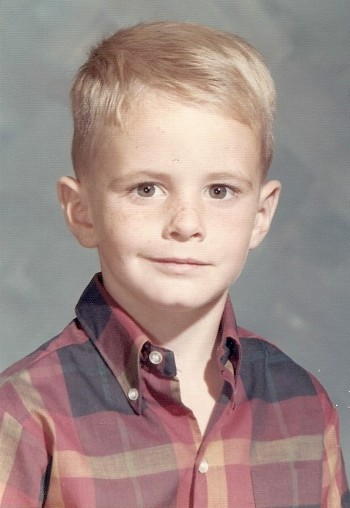 In this original BTB Investigation, we unveil the tragic story of Kirk Murphy, a four-year-old boy who was treated for “cross-gender disturbance” in 1970 by a young grad student by the name of George Rekers. This story is a stark reminder that there are severe and damaging consequences when therapists try to ensure that boys will be boys.
When we first reported on three American anti-gay activists traveling to Kampala for a three-day conference, we had no idea that it would be the first report of a long string of events leading to a proposal to institute the death penalty for LGBT people. But that is exactly what happened. In this report, we review our collection of more than 500 posts to tell the story of one nation’s embrace of hatred toward gay people. This report will be updated continuously as events continue to unfold. Check here for the latest updates.
In 2005, the Southern Poverty Law Center wrote that “[Paul] Cameron’s ‘science’ echoes Nazi Germany.” What the SPLC didn”t know was Cameron doesn’t just “echo” Nazi Germany. He quoted extensively from one of the Final Solution’s architects. This puts his fascination with quarantines, mandatory tattoos, and extermination being a “plausible idea” in a whole new and deeply disturbing light.
On February 10, I attended an all-day “Love Won Out” ex-gay conference in Phoenix, put on by Focus on the Family and Exodus International. In this series of reports, I talk about what I learned there: the people who go to these conferences, the things that they hear, and what this all means for them, their families and for the rest of us.
Prologue: Why I Went To “Love Won Out”
Part 1: What’s Love Got To Do With It?
Part 2: Parents Struggle With “No Exceptions”
Part 3: A Whole New Dialect
Part 4: It Depends On How The Meaning of the Word "Change" Changes
Part 5: A Candid Explanation For "Change"
 At last, the truth can now be told.
Using the same research methods employed by most anti-gay political pressure groups, we examine the statistics and the case studies that dispel many of the myths about heterosexuality. Download your copy today!
And don‘t miss our companion report, How To Write An Anti-Gay Tract In Fifteen Easy Steps.
 Anti-gay activists often charge that gay men and women pose a threat to children. In this report, we explore the supposed connection between homosexuality and child sexual abuse, the conclusions reached by the most knowledgeable professionals in the field, and how anti-gay activists continue to ignore their findings. This has tremendous consequences, not just for gay men and women, but more importantly for the safety of all our children.
Anti-gay activists often cite the “Dutch Study” to claim that gay unions last only about 1½ years and that the these men have an average of eight additional partners per year outside of their steady relationship. In this report, we will take you step by step into the study to see whether the claims are true.
Tony Perkins’ Family Research Council submitted an Amicus Brief to the Maryland Court of Appeals as that court prepared to consider the issue of gay marriage. We examine just one small section of that brief to reveal the junk science and fraudulent claims of the Family “Research” Council.
 The FBI’s annual Hate Crime Statistics aren’t as complete as they ought to be, and their report for 2004 was no exception. In fact, their most recent report has quite a few glaring holes. Holes big enough for Daniel Fetty to fall through.
“Google” is a trademark of Google Inc.
© Box Turtle Bulletin. All Rights Reserved.
 Posts
Posts  Posts via daily email: