Box Turtle Bulletin
 News and commentary about the anti-gay lobby
“Now you must raise your children up in a world where that union of man and box turtle is on the same legal footing as man and wife…”
News and commentary about the anti-gay lobbyPosts Tagged As: Uganda
October 22nd, 2010
CNN has a story following up on the “Hang Them” outing campaign recently waged by the now-suspended tabloid Rolling Stone (no relation to the U.S. magazine by the same name). CNN spoke with LGBT advocate Julian Pepe, who said that in the aftermath of the outing campaign, Sexual Minorities Uganda is helping those who are being attacked:
“We are providing some with psychological support,” she said. “People have been attacked, we are having to relocate others, some are quitting their jobs because they are being verbally abused. It’s a total commotion.”
Ethics and Integrity Minister James Nsaba Butoro dismisses the reports that LGBT people are being attacked:
“They [the activists] are always lying,” Buturo said. “It’s their way of mobilizing support from outside, they are trying to get sympathy from outside. It’s part of the campaign.”
Buturo also told CNN that the draconian Anti-Homosexuality Bill, which has been held in Parliamentary committee for most of the year, will be debated in Parliament and passed “in due course.” He added, “Of course I hope it passes.”
The bill, if passsed in its current form, would impose the death penalty on LGBT people under certain circumstances (including if the individual is HIV-positive or is a “serial offender”). It would also impose a three year sentence on anyone who failed to report an LGBT person to police within 24 hours of learning of that fact. The bill would also outlaw all free speech and advocacy by or on behalf of LGBT people in Uganda, and provide for extradition of LGBT Ugandans living abroad for prosecution back home.

"Hang Them; They Are After Our Kids", published in the October 2, 2010 edition of the Ugandan tabloid Rolling Stone (Names, places and photo obscured by BTB. Click to enlarge)
Meanwhile, the Ugandan tabloid which launched the latest outing campaign may be back in business soon. Paul Mukasa, secretary of the Media Council, said that the reason Rolling Stone was shut down was because they failed to file the required permits
“Until they fill in the required paperwork, they are breaking the law,” Mukasa said.
The secretary said the newspaper has initiated the process “to put their house in order.”
“Some rights groups have complained that the newspaper is inciting people, but the council is focusing on its lack of paperwork,” Mukasa said.
This contradicts what Media Council’s Executive Secretary Haruna Kanaah told Voice of America yesterday, but it is consistent with the letter that was sent to Rolling Stone’s editors from the media council.
Which means that any day now, we may see Rolling Stone’s parts two through four of their vigilante campaign hit the streets again. The tabloid’s editor, Giles Muhame, defended the campaign, saying that he published the names so authorities could arrest those named. He also told VOA that journalists had a duty to expose the so-called “evil in the Ugandan society,” and that the campaign will resume in upcoming issues once the paper resumes publication.
October 21st, 2010

Front cover of the Oct 2, 2010 edition of Rolling Stone. (Click to enlarge.)
The real, genuine Rolling Stone— the venerable U.S. cultural, music and entertainment bi-weekly founded in 1967 by Jann Wenner — has weighed in on the upstart impostor from Uganda that has captured so much attention the past three weeks:
A new newspaper out of Uganda bearing the name Rolling Stone has published one of the most vile and hateful anti-gay screeds we have ever read. The article printed the addresses and photos of 100 homosexuals in the country, calling for them to be hanged. Not only are we not affiliated in any way with the Ugandan paper, we have demanded they cease using our name as a title. But there is a larger issue at stake: Homosexuality is still a crime in much of Africa, often punishable by life in prison. “Half the world’s countries that criminalize homosexual conduct do so because they cling to Victorian morality and colonial laws,” says Scott Long of Human Rights Watch. “Getting rid of these unjust remnants of the British empire is long overdue.”
"Hang Them; They Are After Our Kids", published in the October 2, 2010 edition of the Ugandan tabloid Rolling Stone (Names, places and photo obscured by BTB. Click to enlarge)
The fake Rolling Stone was shut down last week by Uganda’s Media Council over the failure of the tabloid’s owner to properly register the paper with the authorities. The Voice of America spoke with the Media Council’s Executive Secretary Haruna Kanaah, who said that the tabloid has also run afoul of the nation’s journalism code of ethics:
He says Uganda Rolling Stone, a weekly tabloid launched by a group of journalism graduates two months ago, is now being closely monitored.
“In Uganda, we have a journalism code of ethics, which is very clear,” said Kanaah. “The media should be balanced, accurate and fair. Intruding into people’s privacy, that is not journalism. It is witch-hunting.”
Ugandan LGBT activists say that at least four people, including one woman named in the Oct 2 article, have been attacked. Some have been forced to leave their homes and go into hiding.
October 21st, 2010
That’s the harrowing possibility that Jeff Sharlet raised yesterday during his interview on Amy Goodman’s Democracy Now.
Sharlet, author of C Street: The Fundamentalist Threat to American Democracy
Well, this article in Rolling Stone, the Ugandan Rolling Stone, what it marks is really an escalation. We’ve already seen this happening in Uganda. Rolling Stone is a new paper. The big national tabloid, you might say, is called Red Pepper, and they’ve been publishing so-called kill lists for some time now, with names, sometimes addresses, photographs, of gay people. You see also some Ugandans taking out ads in these papers to say, “Here’s this person I don’t like, arrival at work,” or something like this, “I have secret information that he’s gay.” This idea of sort of formalizing the list, naming the top hundred, this is a real escalation.
And I think what it shows us, and with what’s going on in the bill right now and what’s alarming, is the bill hasn’t been passed. It got stalled after it was introduced, in response to international pressure. But it’s still there. It’s, in effect, kind of a tiger on a leash that the regime can let off depending on its own fortunes in upcoming elections. And what I’m hearing from David Bahati, the author of the bill, with whom I remain in touch, that he is now being promised a second reading. And I think this new step in the press is a very alarming one, because it shows it moving right back to the forefront of Ugandan society.
Sharlet also expresses concern that Las Vegas-based Canyon Ridge Community Church, which is a financial backer of Ugandan pastor and staunch Anti-Homosexuality Bill support Martin Ssempa, has not only maintained ties to Ssempa, but is misleading their own congregation on what Ssempa stands for.
What’s interesting about it is it’s not even a far-right megachurch, and there’s a lot of members of Canyon Ridge who would be, I think, really outraged if they understood that their church was supporting one of the leaders of the anti-gay movement, Pastor Martin Ssempa, who’s also received US federal dollars, PEPFAR money. He has testified before our Congress. He’s held up as a champion in the fight against AIDS. His method has boiled down to “kill them.” The Canyon Ridge Church, there’s been a lot of pressure put on it, and I should say, by the way, by some evangelical activists. There’s a man named Warren Throckmorton, a professor at a Christian college, who’s been leading the fight to get Canyon Ridge to be accountable for the fact that they are financing part of this campaign. But, you know, even that is just one piece of this equation.
Warren Throckmorton has learned that the Las Vegas Steering Committee of the Human Rights Campaign met with Canyon Ridge more than a month ago. Throckmorton writes:
And I continue to wonder why the Human Rights Campaign of Las Vegas, who met with Canyon Ridge leaders over a month ago, have said nothing about a church in their community which indirectly supports a bill which is terrorizing GLBT people in Uganda.
This is beyond troubling. Supporters of the bill have disseminated tons of misinformation about what the bill would do if enacted (falsely claiming that it only affects pedophiles and rapists) and about its current status (falsely claiming that the bill has been withdrawn or shelved.) Both of those claims have been widely as fact by the mainstream press, and some of them have even entered into the LGBT press and held among advocates. This might help explain HRC-LV’s silence on their meeting with Canyon Ridge. If HRC officials were misinformed and accepted Canyon Ridge’s assurances, would anyone in the gay community be surprised?
I think it’s time for the HRC-LV to come forward with what they know about Canyon Ridge and join the effort to hold Canyon Ridge accountable. Failure to do so is not much different from collaboration. Surely the HRC can be a fierce advocate for something, can’t they?
October 19th, 2010
Front cover of the Oct 2, 2010 edition of Rolling Stone. Chances are you saw it here first. (Click to enlarge.)
If you’re a BTB regular, you might be forgiven if you thought you experienced a bit of déjà vu while reading this morning’s paper. The Associated Press today published a pretty good account of the Ugandan tabloid, Rolling Stone(no relation to the U.S. magazine by the same name), which outed several dozen private LGBT citzens as part of their “Hang Them!” campaign.
That hint of recognition you experienced may have come about becuase we were on this story two weeks ago, as we reported on the Rolling Stone’s unfolding anti-gay campaign with its October 2 issue. The front cover of the tabloid promised “100 pictures of Uganda’s Top Homos,” but the story beginning on page two only included eight photos gleaned from Facebook and Gaydar profiles along with personally-identifiable information — names (sometimes including full names), residences and employers — of about a couple dozen LGBT individuals. The article also said that it was to be the first of a four part series. It’s widely believed that a well-known anti-gay activist may be connected to the campaign, although he denies any involvment.
The Associated Press fills in a few extra details:
In the days since it was published, at least four gay Ugandans on the list have been attacked and many others are in hiding, according to rights activist Julian Onziema. One person named in the story had stones thrown at his house by neighbors.
"Hang Them; They Are After Our Kids", published in the October 2, 2010 edition of the Ugandan tabloid Rolling Stone (Names, places and photo obscured by BTB. Click to enlarge)
That single article alone was damage enough, but Rolling Stone threatened three more installments and everyone wondered what would come with the expected appearance of the October 9 edition. Fortunately the government stepped in to shut down Rolling Stone before the second installment of their “Hang Them” campaign could hit the streets. It turns out that Rolling Stone failed to properly register itself with the authorities. In a country where heavy governmental interference with the press is commonplace, that was a big no-no.
The AP article confirms our suspicions that Rolling Stone may start publishing again once they get their registration issues resolved. However, that, too, is only conjecture, since the lack of official registration probably wasn’t the only problem. I’m told that the October 2 issue, which was the fifth edition since Rolling Stone’s late August debut, carried only two advertisements in its entire 24-page edition. One was a quarter-page ad for Uganda Telecom and the other was a small front-page ad for Blue Magic, Inc,. the printing house which printed Rolling Stone. Five weeks on, that’s not much of an advertising base. The AP puts their circulation at 2,000 issues, but at only 1,500 Uganda Shillings a pop (US$0.65), this paper was not destined to last — unless there are some very deep pockets backing it.
Update: I missed it, but Warren Throckmorton caught something that the AP story got wrong. The AP said:
A lawmaker in this conservative African country introduced a bill a year ago that would have imposed the death penalty for some homosexual acts and life in prison for others. An international uproar ensued, and the bill was quietly shelved.
In fact, the bill has not been shelved. It was referred by Parliament to two committees: the Committee on Legal and Parliamentary Affairs and the Committee on Presidential Affairs. As far as I know, neither committee has returned a report back to Parliament. Warren’s sources confirm to him that it is still in committee as well. After the committee(s) report back to Parliament, the bill would then have to undergo a second and third reading before a final vote.
Parliamentary elections are slated for February and March of 2011, and in anticipation of breaking for campaigning, Parliament issued what they said was its agenda for the final session. The Anti-Homosexuality Bill did not make it to that agenda, and it has not appeared on the daily order papers.
October 14th, 2010

Letter from the Uganda Media Council to the editors of the Rolling Stone tabloid. (Click to enlarge)
We just received word that Uganda’s Media Council has shut down the tabloid Rolling Stone (no relation to the U.S. publication by the same name), made infamous for the publication of its “Hang Them” outing campaign last week.
The Media Council, in a letter to managing editor Giles Muhame, says “There is no formal complaint before the Council as yet.” But citing a complaint made directly to Rolling Stone and copied to the Council, the Council says that “it has come to our knowledge that you published in contravention of Section 5 of the Press and Journalist Act (CAP 105) which makes you criminally liable.” The letter concludes:
The Council therefore informs you that the requirements of the Law must be adhered to before you can publish a newspaper and orders you to stop publishing “The Rolling Stone” until all the requirements of the Law are completed or face the full force of the Law.
It is unclear at this time whether this direction is being taken because of the outing campaign in the Rolling Stone edition cited in the letter, or whether there are other areas of the law (i.e. incorporation, registration, etc) which the tabloid is not in compliance with.
A new edition of Rolling Stone failed to appear at newsstands in Kampala last weekend. It was rumored that a new issue would appear on Friday, but that now seems doubtful.
October 13th, 2010
It was exactly one year ago today that the draconian Anti-Homosexuality Bill was introduced before Uganda’s Parliament. The world was shocked to learn that this bill would include the death sentence for gay people under certain circumstances, jail friends and relatives who refuse to report gay people to police for up to three years, and outlaw all attempts at advocacy or providing services for or on behalf of gay people. The gay community in Ugandan has had it very hard since then. To remind us of what they have gone through and the threat that still exists, Sexual Minorities Uganda has issued the following press release that provides a good retrospective of the past year. I’ve taken the liberty of adding some hyperlinks selected from the hundreds of stories we’ve posted in the past year so you can learn more about each point.
FOR IMMEDIATE RELEASE
KAMPALA – UGANDA
One Year since the introduction of the Anti-Homosexuality Bill – 2009
On October 14, 2009 the draft Anti Homosexuality Bill was introduced to the Parliament of Uganda by Ndoorwa West MP David Bahati. Mr Bahati’s Anti-Homosexuality Bill stipulates the death penalty for repeated same-sex relations and life imprisonment for all other homosexual acts. A person in authority who fails to report an offender to the police within 24 hours will face 3 years in jail. Likewise, the promotion of homosexuality carries a sentence of 5 to 7 years in jail.
This Bill is an expression of prejudice, intolerance, discrimination and violence. The bill abuses the dignity, privacy and equality of people with a different sexual orientation and identity other than heterosexual. If passed into law, it will further legitimize public and private violence, harassment and torture.
It has promoted hate-speech in churches, schools and the media. It has led to defamation, blackmail, evictions, intimidation, arbitrary arrests and unlawful detention, physical assault, emotional and mental assault of LGBT activists, our families and allies.
The bill has further led to increased violence incited by local media, particularly The Red Pepper tabloid and recently launched Rolling Stone newspaper. The headline of the Rolling Stone viciously screamed “100 pictures of Ugandan’s top homos leak- Hang them” in their Vol. 1 No. 05 October 02-09, 2010. They published pictures, names, residences and other details of LGBT activists and allies.
“When my neighbors saw my picture in the paper, they were furious. They threw stones at me while I was in my house. I was so terrified somehow I managed to flee my home to safety.” said Stosh [Programme Coordinator- Kulhas Uganda]
“The sad truth is that most evil in Uganda is done by people who end up never being held accountable for their deeds. The Rolling Stone publication has incited violence against a group of minorities making them seem like less of HUMAN BEINGS” Gerald [Admin – SMUG].
The bill constitutes a violation of the right to freedom of privacy, association, assembly and security of the person as enshrined in Constitution of Uganda’s and International Human Rights Law.
The impact of such legal and social exclusion is being felt in the lives of LGBTI Ugandans. Sexual Minorities Uganda strongly condemns such laws and media witch-hunt of homosexuals.
We would like to acknowledge Human Rights institutions and activists, local, regional and international Civil Society, Development partners and friends around the world for the enormous support to the Uganda LGBTI community and request for your continued call to African governments to repeal the ‘sodomy laws’.
Contacts:
Frank Mugisha
fmugisha@sexualminoritiesuganda.org
Pepe Julian Onziema
jpepe@sexualminoritiesuganda.org
October 8th, 2010
We’ve been documenting the corrosive power of unscrupulous religious leaders in their fight to hang gay people. But the LGBT population isn’t the only one suffering from the ignorance and superstitions that pass as Christianity:
Rebecca Nakityo, 17, spends every free moment watching gospel TV, reading the Bible or praying in church. The soft-spoken teen — who has lived with her aunt and uncle since her parents’ death several years ago — told IRIN/PlusNews she believed she was cured by God six months ago.
According to Nakityo, as the pastor’s voice reverberated through the church hall, she felt filled with the healing power of God. Nakityo now regularly gives testimonies about her “healing” and has stopped taking her ARVs (anti-retroviral medications).
By the time many young people find their way back to the health system, it is too late. “We had a client who was in church; they brought her and dumped her at Baylor (Baylor College of Medicine Children’s Foundation Uganda) — we tried to treat her but it was too late,” Ssuna said.
The so-called “prosperity gospel,” sometimes known as “name it and claim it” theology, has become a major force in Uganda. Much as elsewhere, there are entire satellite and terrestrial television stations whose entire programming is devoted to making all sorts of miraculous promises in exchange for prayer — and donation. Well-known American pastors like Benny Hinn, Creflo Dollar, T.D. Jakes and others have inspired legions of home-grown Ugandan prosperity preachers who are known as much by their immense houses and expensive S.U.V’s as they are by their highly-charged emotional services.
If pastors have no shame about living in extreme wealth and extravagance while 52% of Ugandans get by on less than US$1.25 a day, then it should come as no surprise that they would also have no shame about urging their followers to also abandon life-saving medications.
According to Mary Kiwanuka, who has an adolescent daughter living with HIV, the influence of television evangelists should not be underestimated. “These children are exposed to too much television which shows people being healed,” she said. “In their circumstances, with too much peer pressure and the pill load, if there is an alternative they take it.”
October 5th, 2010
I broached that question this morning after reading Warren Throckmorton’s blog. Throckmorton had obtained more complete scans of the article that appeared in Uganda’s tabloid Rolling Stone (no relation to the U.S. publication by the same name) with the screaming headline, “Hang Them; They Are After Our Kids!!” In the larger scan, we have the following quote attributed to Martin Ssempa:
We shall fight on until we rescue our country from the hands of evil. A lot of money from gay organizations is filtering in to destroy the morals of our kids. The was has just started,” said Sempa in an exclusive interview at his office in Kampala last night.
Given the wholesale myth-making that made up the rest of the article, Throckmorton asked whether Ssempa actually was interviewed by Rolling Stone, saying “If Ssempa did not give this interview, then he should immediately offer a public statement that he no longer believes in these tactics and fulfill his word to his supporting church, Canyon Ridge Christian Church in Las Vegas.”

Martin Ssempa's email to governmental officials, as reproduced in Rolling Stone, Oct 2,2010. (Click to enlarge)
Since that post this morning, a helpful reader in Uganda sent more scans from the same edition of Rolling Stone. Of particular interest is another article that appears on page six, immediately following the pictorial spread on pages 4 and 5 of LGBT Ugandans. That article by Giles Muhame, who is also identified elsewhere in the paper as Rolling Stone’s managing editor, is fully devoted to Ssempa’s demand that an audit of Uganda’s AIDS commission be made public.
I have no quarrel with Ssempa’s demand, as I haven’t been following this particular issue. In general, transparency is always critical to good governance and an important guard against corruption, and I hope HIV/AIDS NGO’s and doners are paying attention. But what is particularly interesting is that some five-sixths of this article consists of what is described as a “secret email” that Ssempa sent to Uganda’s Inspector General of Government and the Health Ministry. Rolling Stone reprints the entire email verbatim, including the email addresses.
There are only four email addresses listed in the reprinted email. The three “To” addresses are to the Ugandan government, which, according to Rolling Stone, is sitting on a “damning” audit report. The fourth email address, the “From” address is Ssempa’s gmail address, which happens to be the very same email account he used when he commented on BTB last March.
Given the circumstances of the controversy and the framing of it in Rolling Stone, there are only four sources where this email could have come from, and three of those sources would not benefit from its publication. Only one possible source benefits, and that is Martin Ssempa. On that basis, it appears almost certain that Ssempa fed Rolling Stone virtually the entire contents of the full-page article.
And if this is indicative of a close working relationship between Rolling Stone’s managing editor and Ssempa, then that helps to explain something else that is puzzling about the anti-gay vigilante expose published on page 2.
"Hang Them; They Are After Our Kids", published in the October 2, 2010 edition of the Ugandan tabloid Rolling Stone (Names, places and photo obscured by BTB. Click to enlarge.)
Our helpful reader sent a full-page scan of the article titled “Hang Them; They Are After Our Kids!!” It’s a more complete scan than I was provided yesterday. Again, I have obscured names and places, as well as the photo. Except I left one name unobscured, that of an American journalist by the name of Katherine Roubos. Her “outing” is located at the top of the leftmost column:
KATHERINE RUOBOS [sic]: She used to work for Daily Monitor. She was deported on Pastor Ssempa’s influence. He reportedly contacted government officials who pressured the newspaper to take action. Katherine used to ask only gay-related questions at press conferences. At one time, she asked FDC boss Col. Kizza Besigye whether he would give gays powers to recruit more kids in their groups.
Katherine Roubos is an American citizen and resident. In 2007 she was journalism intern assigned to Daily Monitor, Uganda’s largest and most reputable independent newspaper. Her byline appeared on a handful of stories covering a range of topics, but the story that caught Ssempa’s ire was one she published on August 16, covering first ever press conference held by an LGBT advocacy group in Uganda. (The Monitor’s story is no longer online, but a copy is available here.)

Daily Monitor photo of Sexual Minorities Uganda's press conference in 2007.
The press conference was groundbreaking. Conducted by Sexual Minorities Uganda (SMUG), many of the leaders and attendees famously wore masks in order to hide their identities. The message of the conference was simple: “Let us live in peace,” as they discussed HIV/AIDS, discrimination, and police brutality.
This came as a dual shock to anti-gay activists in Uganda. Not only was the press conference itself an unprecedented act of boldness, but Roubos’ coverage of it was wholly balanced and completely devoid of the typical stereotypes and sneering attitudes commonly expressed toward gay people in the popular press.

Demonstrators demanding "Catherine" Roubos' deportation.
Coverage in the government-owned New Vision was, surprisingly, similarly balanced. But for whatever reason (Roubos’ nationality maybe?) it was Roubos’ article that attracted Ssempa’s attention. Just a few days later, he organized a mass rally at a rugby field in Kampala to denounce the press conference and demand Roubos’ deportation. Ethics and Integrity Minister James Nsaba Buturo also spoke at that rally. As far as I am able to determine, Roubos has never been deported. (My attempts to contact her have been unsuccessful.) She stuck around at least long enough to finish another article co-written by LGBT advocate Val Kalende for Daily Monitor in late September, which documented a famous case of police misconduct and brutality — another landmark story in its own right.
That was more than three years ago. As far as I have been able to determine, she left the country when her three-month internship was up. I have no idea whether she’s been back or not. At any event, Ms. Roubos’ time in the Ugandan limelight is ancient history. But whoever contributed Roubos’ name to Rolling Stone certainly hasn’t forgotten her, and wants to make sure readers don’t forget that Ssempa was responsible for her “deportation.”
It’s very puzzling to see her name in these pages, considering that she is neither a Ugandan citizen nor resident, nor even relevant to Ugandans generally. Except, perhaps, for someone who still holds a grudge and never forgets a name. Even if he did spell her name wrong.
October 5th, 2010

Top: Canyon Ridge Community Church in Las Vegas. Bottom: Canyon Ridge's "dearly beloved family and friend."
Warren Throckmorton has some more scans of Monday’s edition of the Ugandan tabloid Rolling Stone (no relation to the U.S. publication by the same name) which lends credence to suspicions that pastor Martin Ssempa has played a hand in the story’s creation. The additional scans contain this segment which includes, first, a quote from an un-named “radical church leader” followed by a statement attributed to Ssempa:
“Unless government takes a bold step by hanging dozens of homosexuals, the vice will continue eating up the moral fibre and culture of our great nation. Unless a strong action is taken, the country will soon go to the dogs,” said a radical church leader who preferred anonymity.
Renowned anti-gay pastor Martin Sempa (sic) vowed to continue anti-gay demonstrations in the country with the view of combating perpetrators of the vice that threatens human race.
“We shall fight on until we rescue our country from the hands of evil. A lot of money from gay organizations is filtering in to destroy the morals of our kids. The was has just started,” said Sempa in an exclusive interview at his office in Kampala last night.
The suspicious character I mentioned last night who is believed to have obtained photos from Facebook is known to have worked with Martin Ssempa in anti-gay campaigns in the past. Warren Throckmorton notes Ssempa’s financial ties with Las Vegas’ Canyon Ridge Christian Church and has asked the church to verify the quote.
If Ssempa did not give this interview, then he should immediately offer a public statement that he no longer believes in these tactics and fulfill his word to his supporting church, Canyon Ridge Christian Church in Las Vegas.
October 4th, 2010

Front cover of the October 2, 2010 edition of the Ugandan tabloid Rolling Stone (Click to enlarge)
We have more information on the Ugandan tabloid Rolling Stone (no relation to the U.S. publication by the same name) which promises to embark on a virulent anti-gay outing campaign. It appears that the tabloid, which published only eleven of its promised “100 pictures of Uganda’s top homos,” may have obtained some of the photos from Facebook profiles of ordinary LGBT people in Uganda and abroad.
Sources in Uganda express concern that they recognize some of the published photos as having been posted on the popular social networking site. Many believe that someone posing as a gay man may have “friended” some in the LGBT community in order to obtain private information and photos, which were then turned over to Rolling Stone for publication. One name in particular has surfaced, someone who was involved with last year’s anti-gay outing campaign. We are unable to confirm those concerns, but given the circumstances behind this campaign and knowing the involvement of key people in previous mass outing campaigns, I think those suspicions are not without basis.
[Update: According to additional scans obtained by Grove City College professor Warren Throckmorton, Rolling Stone acknowledges that some of the photos also came from Gaydar, a popular U.K. based dating website.]
[Update (Oct 16): The anonymous blogger GayUganda confirms that some of the photos were obtained from facebook profiles]

Photos published in the October 2, 2010 edition of the Ugandan tabloid Rolling Stone, along with a description of lymphogranuloma-venereum, "a disease associated with homosexuals." (Photos obscured by BTB)
The October 2 edition of Rolling Stone only outed a few dozen people so far, but the tabloid promises that their list will be continued in the next issue, in what they describe as a four-part series. Of the names mentioned in this edition, some of them make no sense. One person “outed” by the paper is an American journalist who no longer lives in Uganda. Another person who was fully named — by first name and last — had “quit lesbianism.” Rolling Stone added, “She told our investigators ‘I am a changed girl.’ She is now married with a baby girl.” It’s puzzling that this woman was identified along with the name of her very small village in Western Uganda — and deeply troubling.
As we said earlier, the tenor of this outing campaign is even more vicious than those conducted by the notorious Red Pepper tabloid, which Rolling Stone appears to see as its chief rival. This time, Rolling Stone‘s front cover headline includes the admonition to “hang them,” while inside the pages they included many people’s surnames in their descriptions, a practice that Red Pepper had avoided.
It was in the aftermath of last years’ conference put on by three American anti-gay activists that the Red Pepper joined a similar vigilante campaign instigated by conference organizers. During that campaign, we began to receive reports of mobs attacking LGBT people in the streets and police making arrests.

"Uganda's Top 100 Homos" published in the October 2, 2010 edition of the Ugandan tabloid Rolling Stone (Names, places and photo obscured by BTB. Click to enlarge)
It remains to be seen whether this campaign will take hold or not, but Rolling Stone isn’t leaving anything to chance. They’ve chosen a two-pronged approach to stoking anti-gay hysteria. In addition to outing specific people, Rolling Stone published an incredibly fanciful “investigation” into the gay community. According to their imaginary findings:
Our research showed that most gays meet along Jinja Road based [redacted bar name] in Kampala. They usually gather at this place on Fridays for meetings and recruitment. It’s here that they assess the performance of their recruitment drives and initiate new members.
During these meetings, new members are given nick names they will use in gay circles. … Research also revealed that graduates are the biggest target as they are desperate for opportunities of earning a living. They are promised jobs in gay organisations abroad, monthly allowances and connections to rich gays residing in United States, Norway, Canada and United Kingdom.
The new members are also provided with gay blue movies,a list of gay websites and telephone numbers of representatives of gay organizations.
At the end of every month, gays usually gather at homes of gay organization leaders… Wine is popped and sometimes gays engage in orgies. …We have accessed secret videos of top citizens enjoying steamy gay sex.
This newspaper also discovered that most secondary schools and tertiary institutions have been penetrated by gay activists to recruit kids… The curriculum has been altered to include gay-promoting ideals with the view of brainwashing kids toward bisexual orientation. An informer said so far 10,000 secondary students have been recruited while 100,000 graduates have been enlisted in gay organizations.
This plays into two popular myths promulgated by anti-gay forces in Uganda. The first myth is that the LGBT community represents a vast, well-organized conspiracy to recruit children into homosexuality. The second myth is that homosexuality is a Western import, facilitated by wealthy gay people abroad. After naming several local and international NGO’s which are allegedly part of this imaginary conspiracy, Rolling Stone adds:
An insider said that organizations receive funding in billions which is now used to eat into the moral fabric of kids.

The inaugural edition of Rolling Stone, August 23, 2010.
Rolling Stone’s debut occurred just five weeks ago on August 23. The top headline in its inaugural edition was “Rwenzori mineral water full of feaces,” a description that would aptly fit the fledgling scandal sheet. The editors trumpeted their new rag in a page 2 editorial:
Our esteemed readers, the much-awaited savior – The Rolling Stone newspaper, is born today. We have liberated you from the monopoly of half-baked news, inaccurate reports, deliberate misinformation and agents of propaganda and populism. Under our motto “Nothing But The Truth”, we promise to strip all facts bare and leave no stone unturned in exposing the evils in our cherished society without fear or favour.
And black is white and up is down, in the greatest tradition of tabloid “journalism.” The most amusing part is where the editors get to their qualifications:
Based along Sir Apollo Kaggwa Road in Kampala, Rolling Stone is the only newspaper in the country owned and managed by three youthful men who have attended Mass Communication lectures at Makerere University.
Clearly, the six people named in the editorial — Managing editor Giles Muhame, Editor Joseph Bahingwire, Advertising manager Cliff Abenaitwe, Brand Manager Benjamin Rukwengye, HR Manager Collins Murangira, and Circulation “Expert” Nicholas Mwesigwa — hadn’t bothered to actually graduate from a journalism program, let alone pass a single course in ethics.
That inaugural issue also carried a mild preview of the gay-baiting that was to come, with a comparatively timid article claiming that an un-named mayor was “suspected to be gay.” But even in that brief one-paragraph article on page five, Rolling Stone covers all the bases of anti-gay myth-making:
We have information that the politician, who travels abroad almost thrice a month, has been holding gay meetings with a top city pastor and homosexuals in the United States. At his home, we are told, he maintains a separate room where he meets male visitors. It’s also rumoured that he receives lots of dollars from US and Scandinavian countries to boost gay activities in Uganda. He also recruits young children into gay organizations under the guise of education sponsorships overseas. This eloquent man applies “make up” on his face.

The September 24, 2010 edition of Red Pepper featuring asylum seeker Moses Mworeko on the front cover (Click to enlarge)
It’s now five weeks later and that timidity has worn off.
Last week, the more established tabloid Red Pepper published an appalling distortion of an interview originally published in Washington, D.C.’s Metro Weekly by Ugandan asylum seeker Kushaba Moses Mworeko. This week, we have this Rolling Stone’s clarion call to hunt down and lynch LGBT people, in precisely the kind of vigilantism that has been Red Pepper’s trademark. It’s not a stretch to see Rolling Stone’s effort as a direct challenge to Red Pepper, to demonstrate which tabloid can be the most sensationalistic and the most homophobic.
This raises the ugly possibility of a circulation war breaking out with LGBT Ugandans bearing the brunt. We already noticed that Red Pepper’s Stanley Nduala, who had written many of that paper’s outing articles, drives a shiny Mercedes. Exposing gay people to mortal dangers and calling for their deaths is a proven pathway to great riches in Uganda for reporters and newspaper editors. And for Pentecostal preachers with ties to U.S. megachurches. That works just as well.
Update: It appears that Ugandan pentecostal pastor Martin “Eat Da Poo Poo” Ssempa, who has close financial ties to Las Vegas-based Canyon Ridge Christian Church, may have played a role in this latest campaign.
October 4th, 2010

October 2, 2010 edition of the Ugandan tabloid Rolling Stone (Click to enlarge)
A new tabloid appeared on the streets of Kampala, Uganda about a month ago, and they appear intent on displacing the notorious Red Pepper as the leader of vigilante mobs against the country’s beleaguered gay community. The latest tabloid, Rolling Stone (no relation to the American publication of the same name), has published several photos and names along with other identifying information in outing private LGBT citizens and others who are accused of homosexuality.
Rolling Stone has upped the ante considerably over previous vigilante campaigns by attaching the tagline “Hang them” on the front cover. Previous Red Pepper campaigns typically revealed first names and general descriptions of their residences and places of employment. Rolling Stone goes further by including surnames for many of those who are being forcibly outed, as well as numerous photos. The article also promises that their list is “to be continued in the next issue.”
One of the two photos on the cover is that of retired Anglican Bishop Christopher Senyonjo, who is married and a father and grandfather. He has been a tireless advocate for LGBT people since his retirement, and has suffered tremendously for it. In 2001, Bishop Senyonjo received numerous death threats because of his advocacy, requiring him to remain in exile in the United States for about six months.
The anonymous blogger GayUganda was the first to note this latest round of anti-gay outings in a post this morning. Since then, we have received photos of other pages of the paper from other sources, but because of the danger they pose to those exposed, we cannot post them at this time.
I will have much more on this later this evening.
September 28th, 2010
The Sept 24, 2010 edition of Uganda's notorious tabloid Red Pepper featuring asylum seeker Moses Mworeko on the front cover (Click to enlarge)
Uganda’s notorious tabloid Red Pepper has engaged in some of the most deplorable gay-baiting and gay-bashing “journalism” to be found anywhere in the world, but nothing can prepare one for the latest outrage. Last Friday, the tabloid published a front-page article alleging that Kushaba Moses Mworeko, a 31-year-old Ugandan who has requested asylum in the United States, had “raped boys in school.” The paper also republished an interview with Mworeko that first appeared in Washington, D.C.’s Metro Weekly last July while grossly distorting that same interview in its write-up.
An anonymous reader forwarded these scans from the pages of Red Pepper to BTB on Friday.
Mworeko first became known to Americans when he appeared at the American Prayer Hour last February. The American Prayer Hour was organized by Truth Wins Out as a counter presence to the National Prayer Breakfast, organized by the secretive Evangelical group known as The Fellowship or The Family. The point of the American Prayer Hour was to protest the ties that exist between members of The Family and supporters of the draconian Anti-Homosexuality Bill that had been introduced into Uganda’s Parliament the previous October. Mworeko spoke at a news conference identified only as Moses, his middle name. He also appeared with a bag over his head to conceal his identity because he was in fear for his life.
Five months later, Moses revealed his full identity when he spoke with Metro Weekly’s Will O’Bryan to talk about his asylum request. In that interview, Moses explained that he was in the United States to attend an HIV/AIDS conference at the same time that the Anti-Homosexuality Bill was being introduced in Parliament. Moses had already considered moving to the U.S., but given the deteriorating situation in Uganda, he decided to overstay his visa in November and seek political asylum. His original application for asylum was denied, and his case is now on appeal.
In the wide-ranging Metro Weekly interview in July, Moses described the precarious situation LGBT Ugandans face on a daily basis, which includes official intimidation by police and the constant fear of being discovered. He describes his early childhood, the death of both of his parents from AIDS, and his early experiences in school which included dealing with his own emerging understanding of his sexuality. From the Metro Weekly interview:
Moses' interview appeared in the July 28 edition of Washington, D.C.'s Metro Weekly
MW: Was this also the time you began to think you might be gay?
MWOREKO: Actually, even before my parents died, they knew I was gay. It was known at my elementary school.
At first, people could tell because of my behavior. Then, at school, with the boys I used to live with in the dormitory, there was a guy. We came from the same village, we went to the same school, we were studying in the same class and sitting at the same table. There was attraction between us. We started having sex, and that spread in the boys’ dormitory.
MW: News that you were having sex spread?
MWOREKO: No, the kids started having sex. We were young. It was experimental. Of course, I definitely had those feelings. All that spread through the dormitory of like 40 people.
What happened, I think, is that one of the boys did not like it and was forced to do it. There was a conflict between him and the one who was imposing it on him. They fought, and that’s when the news came out and the teachers found out. They said, ”Okay, who has done it?” We were all rounded together and beaten, punished. Because it started with me and my friend, it all came to us. They had to send for our parents and it was nasty.
My dad was furious. Of course, he had to punch me before the teachers. Then when I went home for the holidays, they had to beat me. I mean, the firstborn – ”You are shaming us. This can’t happen to us, to our family.”
After my parents passed, during high school, I was free. Although, in my high school I was being helped by my guardian, an Anglican priest, who decided to help me with my education. I remained in the closet because of that.

Red Pepper's version of Moses' interview with Metro Weekly (Click to enlarge)
Red Peeper, however, twisted that narrative beyond all recognition. Next to the headline “This gay monster raped boys in school but failed to bonk his wife,” Red Pepper included a wholly invented quote next to Moses’ photo which reads, “I sodomized this one boy and soon all boys in school were having sex.” And this is how the Red Pepper further “interpreted” the interview in its writeup:
Today we expose Moses Kushaba Mworeko a gay monster who has confessed to viciously raping kids in primary school and setting off a sex craze that swept throughout the school like wildfire. … He made his disgusting confession in The Metro Weekly a Newspaper in the US.
In his sordid interview Mworeko, 31, brags how he started bonking his primary school boyfriend and how his act of bonking a fellow boy was copied by all the boys in his dormitory.
Moses told Metro Weekly of an incident surrounding one boy who “did not like it and was forced to do it,” in reference to a coerced sexual encounter with another boy. Red Pepper however deliberately distorted the incident in its writeup to say that Moses “narrates the story as a badge of honour.” The unnamed Red Pepper writer continues, “He seems unmindful that many reading his interview will feel disgusted at his early perversion.”
In the Metro Weekly interview, Moses talked about his continual efforts at keeping himself hidden from those around him, including his time as a student and then as a teacher at Uganda Christian University in Mukono, about fifteen miles east of Kampala. It was there that Moses’ secret was found out. Shortly after, he decided to get married. Here is Red Pepper’s version of Moses’ interview:
In the interview, a groveling appeal designed by Mworeko to influence the decision of immigrations officers who had rejected his application for asylum, he reveals how he continued his gay ways until he was caught watching gay porn by the secretary of his guardian at UCU and forced to get married as part of his rehabilitation.
But the Metro Weekly interview is very different. It says nothing about porn. And while Moses revealed that his wedding was a sham wedding that he entered into because of the need to remain hidden, it was not “as part of his rehabilitation.” Here is the actual Metro Weekly interview:
MW: It was an e-mail with one of those friends that put you in jeopardy?
MWOREKO: Yes. That was when I was already working. After I graduated, I was given a job at that very university. I was teaching. And my guardian’s office was in that university. He was the director of a church program: Theological Education by Extension.
That’s the time I had the freedom to do whatever I wanted. I lived in my own house. I was free. I felt like I could do whatever I wanted to do.
MW: Did you have any reason to think your guardian might have suspected you of being gay?
MWOREKO: No. People would comment on my behavior, my lifestyle, and it would just stop at that.
But this one day, I was in his office accessing the Internet. I was communicating with my boyfriend. My guardian called for me abruptly while I was in his secretary’s office. I knew I was coming right back, but as soon as I went to his office, the secretary came in. She read my mail. When I came back, she said, ”Moses, were you the one on my computer?” I said yes.
”What’s this?” she asked.
”What?”
”What’s this?”
”Well, what do you think it is? And what’s the problem?”

A portion of the Metro Weekly interview as published in Red Pepper. Notice that the photo was swiped from the Metro Weekly and published in mirror image. (Click to enlarge)
And about the marriage:
MW: Were you hoping that the marriage would make all your problems disappear?
MWOREKO: No. I absolutely did not have that in mind. Actually, my boyfriend told me, ”Moses, you cannot get married.”
I said, ”Well, I am going to get married because of these reasons: I want my job, I want to continue studying, this pressure from my family, my students no longer respect me. I can’t keep on like this. I don’t want to die now. I need to have a stable mind. I need to do this.” So I went ahead and got married.
Red Pepper then went on to republish about half of the Metro Weekly interview verbatim, but Red Pepper’s version of it ends right at the point in which Moses discusses the draconian Anti-Homosexuality Bill, including critical background information which serves as the basis for understanding how the bill came into being. It also cuts off Moses’ discussion of the asylum process, his own strongly held religious faith, and the generous support he is receiving from Bishop Rainey Cheeks. (Bishop Cheeks, who runs Inner Light Ministries, is very fascinating LGBT advocate in his own right.) None of that important contextual information is available to Red Pepper readers.
Truth Wins Out’s Wayne Besen responded to the Red Pepper cover yesterday:
In all my years of activism, this has got to be the most disgusting, immoral, vile, smear campaign that I have ever witnessed. The Red Pepper should be immediately shut down for its libelous reporting and slimy journalism. This hit piece shows that we must redouble our efforts to stop the hate campaign that has infected Uganda and other nations in Africa. We must ensure that U.S. evangelicals stop spreading their special brand of murderous love on this continent
Clearly, Moses’ life is in grave danger. The United States government should put Moses on the fast-track to citizenship to keep him from being slaughtered.
Red Pepper has a long history of character assassinations, gay-bating, and forcible outing of private LGBT citizens. In April 2009, Red Pepper published the names, places of employment, residences and other identifying information of more than fifty private Ugandan citizens and accused them of homosexuality, which is a criminal offense that can carry a sentence of up to life in prison. That was just a month after Red Pepper, feeding on the frenzy following the anti-gay conference put on by three American evangelical activists, published a sensational “confession” by a reputed “ex-gay” individual who claimed to have been paid by foreigners to recruit schoolchildren. In December, Red Pepper published another full page spread purporting to out “City tycoons who bankroll Ugandan Homos.”
September 12th, 2010
Uganda’s Minister of Ethics and Integrity James Nsaba Buturo, the staunch supporter of the draconian Anti-Homosexuality Bill who was defeated in the ruling NRM party’s primary elections a week ago, is not going quietly into the good night. He is declaring instead that his loss was orchestrated by “political mafia”, while a party spokesman effectively tells him to STFU:
Did Buturo become too much of a liability for the Ugandan government? Perhaps. NRM’s conduct of its own party elections does appear to be a showcase in corruption, but undoubtedly its a form of corruption that suits party leaders. While President Yoweri Museveni is coming under criticism for the chaos, it’s not difficult to imagine that at least some of those outcomes were in line with his goals. When you’re dealing with a president who is in his twenty-fifth year in power, you can expect that very little happens by accident.

Uganda's President Yoweri Museveni
While it is difficult to read the tea leaves from so far away, I suspect that Buturo may have become too much of a problem for Museveni. During the international outcry over Uganda’s proposed Anti-Homosexuality Billlast winter, tensions appeared to have already formed within the Ugandan government. In one camp was President Museveni, who had to deal with international condemnations and threats to foreign aid. His approach was to urge lawmakers to “go slow” on the legislation while he appointed a special cabinet committee to come up with a way out of the mess. That committee recommended that the bill be “rejected” while agreeing that some passages should be passed under other guises (namely, Clause 13 of the bill which would outlaw all advocacy on behalf of LGBT people.)
But Buturo placed himself in an entirely different camp. He strongly rejected the committee’s recommendation, denounced the committee for allegedly meeting in secret without him, and demanded that the bill be passed in its entirety. (The bill still remains sidelined, for now.) And that wasn’t Buturo’s first act of defiance on behalf of the bill. At one point last December, Buturo may have been responding to some sort of message from higher-ups when he suddenly announced that he would remain silent about the proposed law “until it has been passed or defeated.” That silence barely lasted a week,
And with that, the two camps appeared to have been well established, with Museveni trying to calm international outrage over the bill while Buturo remained a stubborn supporter of the bill’s passage. But the problem for Buturo is that in a country like Uganda, there is only room for one camp and Buturo wasn’t in it.
Now maybe Buturo’s loss really was the result of a legitimate voter backlash against the incumbent. Or maybe, as Buturo charges, his primary challenger won because of corruption and bribes. With such rampant corruption, Buturo’s complaint is very credible. But observing, as we are from afar, a country in which the ruling party completely controls the so-called “independent” election commission, and whose president is very determined to extend his rule to at least thirty years, it appears highly plausible that Buturo’s loss may have been preordained. It’s hard to know. Uganda is a country that is rife with conspiracy theories. But that doesn’t mean that some of those conspiracies aren’t real.
Uganda’s constitution allows the president to appoint someone to a state ministry who is not a member of Parliament. If Buturo is not around after next year’s elections, we’ll know that he became too much of a problem for Museveni. (And, to add further complication, that problem may not have had anything to do with the Anti-Homosexuality Bill after all. It may have been something else entirely.)
But if he still carries the title of Minister of Ethics and Integrity, we’ll know something else about Museveni’s aspirations. And that won’t be good either.
September 10th, 2010
We noted on Wednesday that Uganda’s Ethics and Integrity Minister James Nsaba Buturo was defeated in Uganda’s ruling party’s primary elections, which means that he will not stand as the National Resistance Movement’s candidate for Bufumbira East in the 2011 elections. And that means that Buturo, who was a staunch supporter of the draconian Anti-Homosexuality Bill, would lose his influential Cabinet post. But this report that comes to us via Radio Netherlands indicates that under Uganda’s Constitution, President Yoweri Museveni has the power to appoint ministers who are not members of Parliament. That may explain Buturo’s confidence:
Nsaba Buturo was addressing the media at the Uganda Media Centre this week. He said the stand against homosexuality in Uganda is not only the responsibility of individuals but that of the government as a whole. Buturo stated this after the gay communities in Uganda celebrated the loss of Nsaba Buturo’s bid for for re-election as a Member of Parliament for the National Resistance Movement in his Bufumbira East constituency.
Nsaba Buturo warned that Uganda was determined to crack down on homosexuality and pornographic materials which he called a terrible vice and a curse.
“I am sorry for the gay communities in Uganda who think that my loss marks the end of our war on homosexuality and pornography” Nsaba Buturo says. “I am still here. As a nation we have a decent culture and moral values, it is our stand as a government and we are not going to shift even an inch from it” he swore.
Update: Uganda’s Constitution is posted online (PDF: 459 KB/192 pages). The relevant clause is clause 113 on page 84:
113. Cabinet Ministers.
1) Cabinet Ministers shall be appointed by the President with the approval of Parliament from among members of Parliament or persons qualified to be elected members of Parliament. [Emphasis mine]
September 8th, 2010
According to Afrik News, outgoing Ethics and Integrity Minister James Nsaba Buturo has announced that the Ugandan Cabinet is reviewing an Anti-Pornography Bill, with an eye toward curbing “the vice of homosexuality”:
While addressing the press in Kampala on Wednesday, the Minister of Uganda for Ethics and Integrity, Dr. James Nsaba Buturo said that Pornography is the mother of vice and so there is need to stop it immediately.
“Pornography breeds homosexuality. I am happy that finally a bill to curb pornography in Uganda is out to punish the promoters of the vice. The draft bill is already in cabinet for discussion” Nsaba Buturo said.
According to the bill, any person found guilty of dealing in pornographic materials risks paying heavy fines or a 10-year jail sentence or both.
“The days of the homosexuals are over. The bill is good news to all morally upright Ugandans saying that pornography has contributed to moral decay and increased crimes among Ugandans,” he added.
[Update: Daily Monitor has some more details on the proposed legislation:
A proposed anti-pornography law could see journalists and Internet service providers jailed for terms ranging from five to 10 years and their businesses closed, Ethics Minister James Nsaba Buturo said yesterday.
…Under the proposed Bill, pornography is defined as any form of communication from literature to fashion or photography that depicts unclothed or under-clothed parts of the human body (such as breasts, thighs, buttocks or genitalia), that narrates or depicts sexual intercourse or that describes or exhibits anything that can lead to erotic stimulation.
According to the proposed Bill, pornography includes ‘fashion’, implying that women could be arrested for wearing short skirts and skimpy dresses. Mr Buturo said children should also be protected from pornographic materials.
…Only teaching aides, spouses and sportsmen will get exemptions of punishment from the new law. However, analysts say the flaws of the proposed law, lies in the broad definition of pornography.
Daily Monitor quotes Buturo as saying that the new law would extensively expand the definition of pornographic material and the accompanying sanctions. Depending on what those expanded definitions contain, this could be worrisome for LGBT advocates. it is not unusual for African police and prosecutors to take an extremely expansive view of what constitutes “pornography” where homosexuality is concerned. Even mentioning LGBT people can be viewed as “pornography” in Africa’s deeply conservative climate.]
Of particular concern is the possible resurgence of Clause 13 of the Anti-Homosexuality Bill that was placed before Parliament last year. That clause, which would prohibit “promotion of homosexuality,” was cited in a Cabinet Reportas having “some merit.” That Cabinet report, compiled in response to Ugandan President Yoweri Museveni’s call for a study following international condemnation over the bill, suggested that portions of the bill could be enacted under other bills, preferably with titles that are not “stigmatizing and appears to be targeting a particular group of people.” The Anti-Pornography bill could be seen as a convenient vehicle for passing a measure similar to Clause 13 without rousing suspicions in the international community.
Clause 13 of the Anti-Homosexuality Bill, reads:
13. Promotion of homosexuality.
(1) A person who –(a) participates in production. procuring, marketing, broadcasting, disseminating, publishing pornographic materials for purposes of promoting homosexuality;
(b) funds or sponsors homosexuality or other related activities;
(c) offers premises and other related fixed or movable assets for purposes of homosexuality or promoting homosexuality;
(d) uses electronic devices which include internet, films, mobile phones for purposes of homosexuality or promoting homosexuality and;
(e) who acts as an accomplice or attempts to promote or in any way abets homosexuality and related practices;
commits an offence and is liable on conviction to a fine of five thousand currency points or imprisonment of a minimum of five years and a maximum of seven years or both fine and imprisonment.
(2) Where the offender is a corporate body or a business or an association or a non-governmental organization, on conviction its certificate of registration shall be cancelled and the director or proprietor or promoter shall be liable on conviction to imprisonment for seven years.
If this clause is being recycled for the Anti-Pornography Bill, it could be very worrisome for free speech and advocacy in Uganda. Not only would it criminalize pro-LGBT speech and advocacy, it would also hinder medical workers, since providing advice on safe-sex practices to reduce the chance of becoming infected with HIV, for example, could be seen as “promoting homosexuality.” Since it is unclear what the provisions of the new Anti-Pornography Bill would include, Buturo’s characterizing it as a weapon against the country’s LGBT people warrants serious scrutiny.
Featured Reports
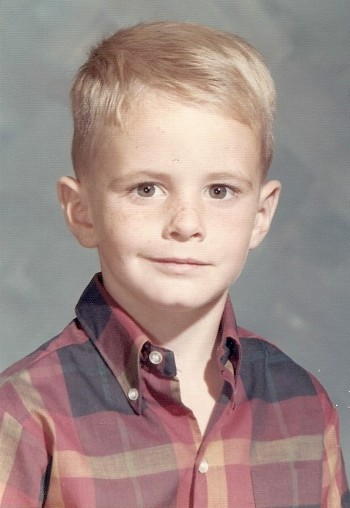 In this original BTB Investigation, we unveil the tragic story of Kirk Murphy, a four-year-old boy who was treated for “cross-gender disturbance” in 1970 by a young grad student by the name of George Rekers. This story is a stark reminder that there are severe and damaging consequences when therapists try to ensure that boys will be boys.
When we first reported on three American anti-gay activists traveling to Kampala for a three-day conference, we had no idea that it would be the first report of a long string of events leading to a proposal to institute the death penalty for LGBT people. But that is exactly what happened. In this report, we review our collection of more than 500 posts to tell the story of one nation’s embrace of hatred toward gay people. This report will be updated continuously as events continue to unfold. Check here for the latest updates.
In 2005, the Southern Poverty Law Center wrote that “[Paul] Cameron’s ‘science’ echoes Nazi Germany.” What the SPLC didn”t know was Cameron doesn’t just “echo” Nazi Germany. He quoted extensively from one of the Final Solution’s architects. This puts his fascination with quarantines, mandatory tattoos, and extermination being a “plausible idea” in a whole new and deeply disturbing light.
On February 10, I attended an all-day “Love Won Out” ex-gay conference in Phoenix, put on by Focus on the Family and Exodus International. In this series of reports, I talk about what I learned there: the people who go to these conferences, the things that they hear, and what this all means for them, their families and for the rest of us.
Prologue: Why I Went To “Love Won Out”
Part 1: What’s Love Got To Do With It?
Part 2: Parents Struggle With “No Exceptions”
Part 3: A Whole New Dialect
Part 4: It Depends On How The Meaning of the Word "Change" Changes
Part 5: A Candid Explanation For "Change"
 At last, the truth can now be told.
Using the same research methods employed by most anti-gay political pressure groups, we examine the statistics and the case studies that dispel many of the myths about heterosexuality. Download your copy today!
And don‘t miss our companion report, How To Write An Anti-Gay Tract In Fifteen Easy Steps.
 Anti-gay activists often charge that gay men and women pose a threat to children. In this report, we explore the supposed connection between homosexuality and child sexual abuse, the conclusions reached by the most knowledgeable professionals in the field, and how anti-gay activists continue to ignore their findings. This has tremendous consequences, not just for gay men and women, but more importantly for the safety of all our children.
Anti-gay activists often cite the “Dutch Study” to claim that gay unions last only about 1½ years and that the these men have an average of eight additional partners per year outside of their steady relationship. In this report, we will take you step by step into the study to see whether the claims are true.
Tony Perkins’ Family Research Council submitted an Amicus Brief to the Maryland Court of Appeals as that court prepared to consider the issue of gay marriage. We examine just one small section of that brief to reveal the junk science and fraudulent claims of the Family “Research” Council.
 The FBI’s annual Hate Crime Statistics aren’t as complete as they ought to be, and their report for 2004 was no exception. In fact, their most recent report has quite a few glaring holes. Holes big enough for Daniel Fetty to fall through.
“Google” is a trademark of Google Inc.
© Box Turtle Bulletin. All Rights Reserved.

 Posts
Posts  Posts via daily email: